5 Hair Loss Treatments Men
Table of Contents
- Minoxidil: The Proven Topical Solution for Hair Regrowth
- Finasteride: Oral Medication That Blocks DHT Production
- Topical Finasteride: Targeted Treatment With Reduced Systemic Exposure
- Dutasteride: The More Potent Alternative to Finasteride
- Combination Approaches: Maximizing Results Through Multiple Treatments
- References
Five treatments actually work for men’s hair loss: minoxidil improves blood flow to follicles, oral finasteride blocks DHT production, topical finasteride offers similar benefits with fewer systemic effects, dutasteride blocks DHT more aggressively, and combination approaches yield the best results. You’ll need patience—results take 3-6 months of consistent use. Stop treatment? Your hard-earned hair gains disappear within a year. The science is clear: multiple attack angles give your follicles their best fighting chance.
Minoxidil: The Proven Topical Solution for Hair Regrowth
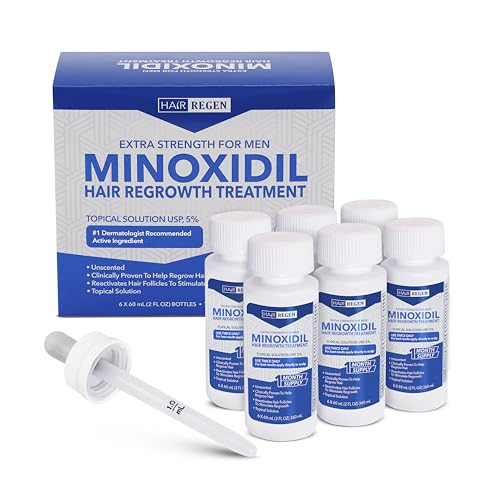
The humble bottle of minoxidil sitting on bathroom shelves across America mightn’t look impressive, but it’s packing some serious science. This over-the-counter miracle worker actually opens potassium channels in your follicles and widens blood vessels. More blood flow means more nutrients. Simple as that.
You’ll need patience, though. Results take 3-6 months of twice-daily application. And here’s the kicker—stop using it, and you’ll lose whatever hair you’ve gained. Brutal, right?
Patience required. No overnight miracles here—just months of consistency and a lifetime commitment.
Works best on recent thinning, not completely bald spots. Side effects? Usually just irritation or dryness. Sometimes unwanted hair grows where the liquid drips. Awkward.
The science is solid. Decades of research back it up. Originally developed as a blood pressure medication, minoxidil was discovered to promote hair growth as an unexpected side effect during hypertension trials. It’s not perfect, but it’s the real deal.
The foam version containing cetyl and stearyl alcohols offers a PG-free alternative that dries faster and causes less irritation than the traditional solution.
Minoxidil works by prolonging the anagen phase of hair growth and preventing follicle cell death through the activation of ERK and Akt pathways, which increases cell survival. Like with acne treatments, consistent application is crucial for achieving and maintaining results with skin type awareness playing a key role in how your scalp responds to the treatment. For optimal scalp health during treatment, consider massaging a few drops of argan oil into your hair to reduce dryness and irritation that minoxidil can cause. For optimal skin comfort during treatment, consider applying a non-greasy formula moisturizer like Gold Bond Mens Essentials after rinsing the area. Similar to effective under-eye products that require a gentle patting motion to avoid damaging delicate skin, minoxidil should be applied with careful attention to technique. Products like Keeps Extra Strength Serum and other 5% solutions are considered the most effective over-the-counter options for male pattern baldness. It effectively reverses the follicle miniaturisation process that occurs during androgenetic alopecia, helping to restore normal hair thickness.
Finasteride: Oral Medication That Blocks DHT Production
Unlike topical treatments that work from the outside, finasteride tackles hair loss at its hormonal source. It blocks the enzyme that converts testosterone into DHT—the hormone that’s basically murdering your hair follicles.
At 1mg daily (the FDA-approved dose), you’ll see results in about 48% of guys after a year. Not bad compared to placebo’s measly 25%. The real magic happens at two years, with 83% of men maintaining or gaining hair. Finasteride works specifically by inhibiting Type II 5α-reductase, creating a stable complex with this enzyme to prevent DHT production. Science! It effectively reduces serum DHT by approximately 70% within just one month of consistent use.
The downside? Possible sexual side effects in about 2% of users—decreased libido, erectile issues, ejaculation problems. Yeah, not fun. And it’s absolutely forbidden for pregnant women. Seriously, don’t even touch the pills.
You’ll need patience. Results take 3-6 months, and quitting means losing your gains within a year. The medication shows the most effectiveness on the crown area, but can reduce hair loss across all areas of the scalp. Similar to how important patch testing is for body hair removal products, it’s essential to monitor for any adverse reactions when starting finasteride treatment. Much like how natural ingredients are trending in men’s body care products, there’s growing interest in finding gentler alternatives to pharmaceutical hair loss treatments. Some men supplement their hair loss regimen with collagen peptides which can support overall hair thickness and vitality while addressing the issue from multiple angles. For comprehensive skin and hair care, many dermatologists recommend using hyaluronic acid products alongside hair loss treatments to maintain overall scalp health. Consider adjusting your treatment frequency during seasonal changes when your skin and scalp might require different levels of hydration.
Topical Finasteride: Targeted Treatment With Reduced Systemic Exposure
For men worried about those pesky libido issues with oral finasteride, topical finasteride offers a smart alternative. It works the same way—blocking the conversion of testosterone to DHT—but with way less drama for your hormones elsewhere.
Here’s the deal: topical finasteride gets absorbed 10-15 times less than the pill version. Your plasma levels stay about 100 times lower.
Translation? Your scalp gets the good stuff without your entire system taking a hit. This targeted delivery is especially beneficial as it reduces systemic effects while effectively treating the scalp area.
Studies show it’s just as effective as the oral version. You’ll see more hair count at 12 weeks, with visible improvements by 24 weeks. Clinical research demonstrates a 68-75% decrease in DHT with topical application over a week-long period.
The side effect profile? Basically matches placebo.
It’s simple math. Same hair growth. Fewer sexual effects. Direct scalp application. Many men achieve better results when they practice consistent routine with their hair treatment regimen. For best results, combine with DHT blockers like saw palmetto or pumpkin seed oil found in specialized shampoos. Regular brushing with a boar bristle brush can help distribute the topical treatment evenly while stimulating blood circulation in the scalp. Many users report improved hair texture and softness with biotin supplements when used alongside topical treatments. Proper skin care routine can help prevent irritation that sometimes occurs with topical treatments. Topical finasteride is typically applied twice daily to balding areas as recommended by your doctor.
For many guys, it’s a no-brainer.
Dutasteride: The More Potent Alternative to Finasteride
When topical finasteride doesn’t cut it, many guys turn to the heavyweight champion of DHT blockers. Dutasteride packs a serious punch, inhibiting both types of 5-alpha reductase and slashing DHT by over 90% (finasteride only manages about 70%).
The science doesn’t lie—multiple studies show it outperforms finasteride in total hair count and clinical assessments.
The good news? Despite its extra potency, dutasteride doesn’t come with markedly worse side effects. Same sexual function issues, similar safety profile. A 24-week study found significantly greater total hair count increase with dutasteride (23.14/cm²) compared to finasteride (4.3/cm²). A large randomized trial with 917 participants confirmed dutasteride’s superior efficacy over finasteride.
Take 0.5mg daily and you’ll likely see results in 3-6 months.
Just know it’s not FDA-approved for hair loss yet—doctors prescribe it off-label use. And ladies, stay away—this stuff is men-only territory.
Consistency is key. No quitting if you want to keep those gains.
Dutasteride’s long half-life of approximately five weeks means it stays in your system much longer than finasteride, potentially contributing to its enhanced effectiveness.
For best results, incorporate dutasteride into a comprehensive routine that includes quality ingredients like vitamin C and aloe vera, which support overall skin and hair health.
Similar to pre-shave exfoliation benefits, dutasteride users often report improved skin texture as a secondary effect due to its impact on oil production in the scalp.
When traveling, consider packing your dutasteride in a leak-proof container to prevent medication mishaps that could interrupt your treatment regimen.
Just as with grooming tools, regular maintenance of your dutasteride treatment schedule is essential for optimal performance and long-term results.
For those constantly on the move, consider investing in a TSA-compliant kit that can safely house your dutasteride alongside other essential grooming products.
Combination Approaches: Maximizing Results Through Multiple Treatments
If using just one hair loss treatment feels like bringing a knife to a gunfight, you’re not wrong. The science is clear: combinations work better.
Over 92% of guys using oral minoxidil-finasteride maintained or improved their hair after a year. Pretty impressive, right? You’ve got options beyond pills too. Adding microneedling or low-level laser therapy to minoxidil considerably boosts hair count compared to minoxidil alone. PRP therapy thrown into the mix? Even better results. When considering a treatment plan, look for options that match your specific needs, just as you would with electric shavers that suit your facial hair type and skin sensitivity. Similar to how natural ingredients in beard balms prevent irritation while providing nourishment, gentle hair loss formulations can protect your scalp during treatment. Men with dry scalps should look for products with long-lasting hydration to prevent flaking and irritation during treatment.
The magic lies in attacking hair loss from multiple angles. When topical minoxidil teams up with finasteride, patients see dramatically better regrowth than either treatment alone. Early intervention with these combination therapies can prevent further hair loss and promote significant regrowth without requiring surgical procedures. Men experiencing sensitivity to standard treatment formulations may benefit from patch testing new products before full application. Combining treatments under dermatologist guidance is a strategic approach, especially when using prescription medications like finasteride alongside other remedies. Men with sensitive skin should consider specially formulated options like NIVEA MEN Complete products that exclude harsh irritants. For men with androgenetic alopecia, validated devices like the HairMax LaserComb have shown efficacy in randomized controlled trials. It’s basic math—one plus one equals way more than two when it comes to your hairline.
References
- https://www.ncbi.nlm.nih.gov/books/NBK278957/
- https://pmc.ncbi.nlm.nih.gov/articles/PMC9298335/
- https://www.cuimc.columbia.edu/news/studies-uncover-new-approaches-combat-hair-loss-men-and-women
- https://www.aad.org/public/diseases/hair-loss/treatment/male-pattern-hair-loss-treatment
- https://gmr.scholasticahq.com/article/88531-finasteride-and-dutasteride-for-the-treatment-of-male-androgenetic-alopecia-a-review-of-efficacy-and-reproductive-adverse-effects
- https://pubmed.ncbi.nlm.nih.gov/14996087/
- https://en.wikipedia.org/wiki/Minoxidil
- https://www.dovepress.com/minoxidil-and-its-use-in-hair-disorders-a-review-peer-reviewed-fulltext-article-DDDT
- https://go.drugbank.com/drugs/DB00350
- https://www.regaine.co.uk/minoxidil/how-minoxidil-works
See Also
Frequently Asked Questions
How do I choose between oral finasteride and topical finasteride for hair loss?
You should choose based on your preference regarding systemic side effects versus convenience. Oral finasteride is taken daily as a pill to block DHT throughout the body, while topical finasteride offers similar benefits with reduced systemic exposure by applying it directly to the scalp.
Is minoxidil worth trying for men experiencing early hair loss?
Yes, minoxidil is a proven topical solution that works by improving blood flow to hair follicles to encourage regrowth. It is often considered a first-line treatment because it is non-prescription and effective for many men starting their hair loss journey.
What is the best way to apply dutasteride for maximum effectiveness?
Dutasteride is typically taken as an oral medication or compounded into a topical solution, depending on your doctor's prescription. It works more aggressively than finasteride by blocking DHT production, so consistency in your daily dosage or application routine is key to seeing results.
How do I know if my hair loss treatment is actually working?
You should monitor your scalp for increased density and the appearance of new hairs over a period of several months. Since these treatments work by slowing loss and stimulating growth, you may need to use them consistently for at least six months before evaluating their effectiveness.
Is it worth combining minoxidil with finasteride for better results?
Many men find that combining these treatments is highly effective because they target hair loss through different mechanisms. Minoxidil stimulates follicles directly while finasteride blocks the hormone responsible for shrinking them, creating a comprehensive defense against balding.
How do I choose between oral and topical dutasteride options?
Oral dutasteride is the standard prescription form, but some men opt for compounded topical versions to minimize potential side effects. Discuss with your dermatologist which route of administration aligns best with your specific health profile and lifestyle.
What is the most effective treatment for severe male pattern baldness?
For severe cases, dutasteride is often considered more potent than finasteride because it blocks DHT production more aggressively. However, the best approach usually involves a combination of treatments like minoxidil and oral medication tailored to your specific stage of hair loss.