

How To Choose The Right Razor Blades 2026
You can buy the most expensive safety razor on the market, but if you are loading it with dull or mismatched blades, you are just paying for a handle that cuts your face. Most guys treat razor blades like disposable trash—slapping them in and tossing them out after two shaves without thinking about what's actually touching their skin. The difference between a smooth, irritation-free shave and a red, angry mess isn't usually the razor itself; it's the steel on the end of it. Getting this right saves you money, time, and prevents those dreaded ingrown hairs before they start.
Our Top Picks
Affiliate disclosure: if you buy through these links, we may earn a commission at no extra cost to you.

Table of Contents

Quick Answer
For most men starting out, stick to high-quality stainless steel blades from major manufacturers like Astra, Gillette Platinum, or Feather. Avoid "coated" or lubricating strips if you have sensitive skin or acne, as these often trap bacteria and cause breakouts. Replace your blade every 3-5 shaves, regardless of what the marketing says, because a dull blade drags hair rather than slicing it, which is the primary cause of razor burn.
The Material Matters: Carbon vs. Stainless Steel
The first thing you need to understand is the metallurgy. You are generally choosing between carbon steel and stainless steel blades. Carbon steel blades are traditionally sharper out of the box and hold that edge longer, but they rust easily if you leave them wet in the shower. If you use carbon steel, you have to hang them up or shake them dry immediately after rinsing.
Stainless steel is the pragmatic choice for 95% of guys. It resists corrosion better, meaning you can toss it in the back of your shower caddy without worrying about it turning into orange sludge by next week. In 2026, modern stainless steel manufacturing has improved significantly, so the gap in sharpness between carbon and stainless is negligible for the average user. Stick to stainless unless you are a wet shaving purist who meticulously maintains his gear.
Sharpness Levels: Aggressive vs. Smooth
Not all blades cut the same way. Some are designed to be "aggressive," meaning they slice through thick, coarse beard hair with minimal pressure. Others are "smooth" and require you to do a bit more work but are gentler on the skin. This is where trial and error comes in.
If you have thick, wire-like facial hair, a smooth blade will feel like it's pulling at your roots because it isn't cutting efficiently. You'll end up pressing harder, which leads to irritation. Conversely, if you have fine, soft hair and use an aggressive blade, you're likely to nick yourself or get razor burn because the blade is too efficient for your skin type. Start with a mid-range blade like the Gillette Platinum or Schick Hydro Silk (if you prefer coated) to gauge your tolerance.
Coatings and Strips: What Actually Works?
You will see blades marketed with Teflon coatings, vitamin E strips, or "lubricating bars" on the packaging. Here is the honest truth: for most men, these are gimmicks that cost more money for little benefit. The lubricating strip on a cartridge razor often dissolves after two shaves, leaving you with a cheap blade at a premium price.
For loose blades (used in safety razors), coatings like PTFE (Teflon) can help the blade glide if your shaving technique is imperfect. However, a high-quality uncoated stainless steel blade will outperform a coated blade every time once you learn proper angle and pressure. If you have acne-prone skin, avoid blades with heavy polymer coatings entirely. These coatings can trap bacteria and dead skin cells against your face, leading to breakouts along the jawline.
When to Throw It Away (The 3-Shave Rule)
This is where men waste the most money and ruin their skin. Manufacturers will tell you a blade lasts for months. That is false. A blade loses its sharpness rapidly after the first few uses. By shave three, it is likely dulling your hair rather than slicing it.
A dull blade requires more pressure to achieve the same result. More pressure equals more friction, which equals razor burn and ingrown hairs. If you feel your razor tugging on your beard hairs or if you need to go over the same spot twice to get it smooth, throw it away immediately. Do not wait for it to rust. A fresh blade costs pennies; a bad shave ruins your confidence before a morning meeting.
Blade Compatibility and Razor Types
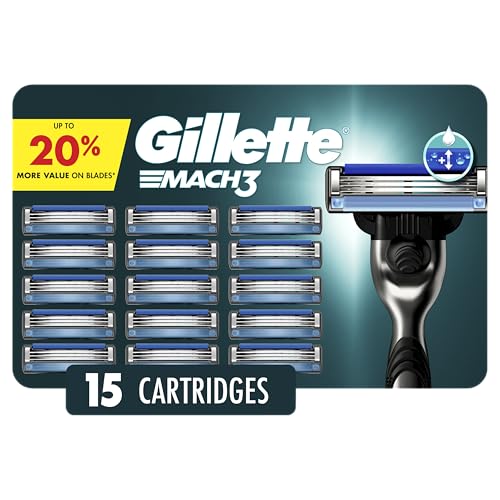
Before you buy a box of blades, ensure they fit your razor. The vast majority of modern safety razors use "standard double-edge" (DE) blades. These are universal and cheap. However, if you have an older vintage razor or a specific cartridge system (like Gillette Mach3 or Fusion), you are locked into their proprietary blades.
If you are using a DE safety razor, you have the freedom to choose any blade from any brand. This is where you can save serious money. A box of 100 DE blades often costs less than three cartridges for a cartridge razor system. Don't let yourself get locked into expensive proprietary systems if you want better value and control over your shave.
Frequently Asked Questions
Do I need to oil my razor blades?
No. Oiling a blade can actually make it slippery and harder to clean, leading to clogging. Just rinse it thoroughly with hot water after use.
Can I reuse a blade if it looks fine?
Visual inspection is unreliable. Microscopic damage occurs quickly. If the shave feels rough or tugging, the blade is done, even if it looks shiny.
Are expensive blades worth it?
Not really. A $0.15 blade will often shave just as well as a $0.50 blade if your technique is correct. Save your money for better shaving cream or post-shave balm.
Why does my razor rust so fast?
You are likely leaving it in the shower after rinsing. Take it out, shake off excess water, and store it in a dry place like your bathroom counter or a dedicated stand.
What is the best blade for sensitive skin?
Look for blades labeled "smooth" or "sensitive," such as the Gillette Sensor3 or Astra Superior Platinum. Avoid aggressive, sharp blades like Feather if you are prone to irritation.
Do I need to sterilize my blade?
No need for alcohol soaks unless you have an open cut. Just rinsing with hot water after each use is sufficient to remove bacteria and hair clippings.
Choosing the right razor blade isn't about finding a magic bullet; it's about matching the tool to your beard density and skin sensitivity while maintaining a strict replacement schedule. Stop buying into the marketing of lubricating strips and proprietary cartridges if you want value. Switch to standard double-edge stainless steel blades, change them every three shaves, and focus on your shaving technique instead of the cost per blade. Your skin will thank you for the consistency.


