

How To Choose The Right Mens Razor Blades 2026
By Jake Morrison
Most guys treat razor blades like toothpaste—buy whatever is on sale at the gas station and swap it out when it feels "dull." That approach works fine if you have thick skin and zero patience for irritation, but it’s a recipe for razor burn, ingrown hairs, and wasted money over time. The blade is the only part of your shaving routine that actually touches your face with precision; everything else (cream, water, technique) just supports it. Choosing the right blade isn't about finding the most expensive luxury item; it's about matching the steel's geometry to your specific hair type and skin sensitivity.
Our Top Picks
Affiliate disclosure: if you buy through these links, we may earn a commission at no extra cost to you.
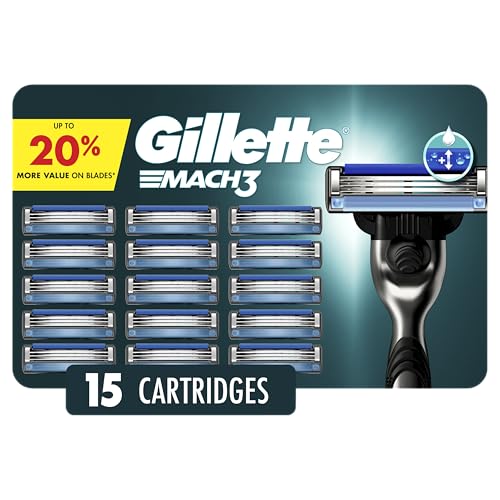
Table of Contents


Quick Answer
If you have sensitive skin or get razor bumps easily, start with a "mild" blade like the Gillette Mach3 Sensitive or Schick Hydro Silk. If you have coarse, thick hair and want the closest possible shave without irritation, go for an "aggressive" blade like the Feather AS-D2 or Astra Superior Platinum. For most guys looking for a balance of price and performance, the standard Gillette Fusion5 ProGlide or Harry's Blade are the safest, most cost-effective bets.
Understanding Blade Aggression Levels
Blade "aggression" is the single most important factor in choosing a replacement blade. It refers to how much of the cutting edge is exposed and how quickly it cuts hair. This isn't about quality; it's about geometry. An aggressive blade exposes more steel, slicing through hair with fewer passes. A mild blade covers more of the steel edge, requiring you to make multiple passes or apply slightly more pressure, which can actually cause irritation if your skin is sensitive.
If you are new to changing blades or have never dealt with razor burn before, do not jump straight to the high-end Japanese steel blades. Start mild. If you are a veteran shaver who hates that "fuzzy" feeling after shaving, you likely need something sharper and more aggressive. Think of it like sandpaper: you wouldn't start with 400 grit if you're trying to strip paint, and you shouldn't start with a super-sharp blade if your skin is already angry.
Matching Blades to Your Hair Type
Your hair texture dictates which steel composition you need. Coarse, wire-like beard hair requires a blade with high tensile strength and a sharp edge that won't bend upon contact. Soft, fine hair gets cut easily by almost anything, so the issue with soft hair is usually over-shaving (irritation) rather than under-shaving.
Coarse Hair: Look for blades marketed as "precision" or "aggressive." The Feather AS-D2 is legendary in the barber world for this reason—it’s sharp enough to cut through steel wool, so coarse beard hair stands no chance. However, it offers zero margin for error; if you slip, you will bleed.
Fine/Soft Hair: You can get away with "mild" blades that have lubricating strips and flexible heads. The Gillette Mach3 or the older Gillette Sensor2 are classics here. They provide a comfortable shave without needing perfect technique.
Cartridge vs. Disposable: The Real Cost Breakdown
In 2026, the market is split between high-tech cartridges (Fusion5, Mach3, Venus) and simple disposables (Bic, Dollar Shave Club basics). Stop thinking of them as different categories; think of them by their blade count.
A standard cartridge razor has 3 to 5 blades. A "disposable" often has 2 or 3. The difference in shave quality is negligible once you pass the 3-blade mark. The real variable is the pivot mechanism. Cartridges pivot, which helps them follow the contours of your jawline and neck—critical for avoiding ingrown hairs on the neck. Disposables are rigid; they require you to angle your wrist perfectly to avoid cutting your Adam's apple.
If you shave daily, the cost per blade is the killer. A box of Gillette Fusion5 blades can run $30-$40. A box of Harry’s or Dollar Shave Club blades might be $15 for the same count. The steel quality in the budget brands has improved massively. Unless you are a wet-shaving purist using a safety razor, the mid-range cartridge is the sweet spot for value.
The "Break-In" Myth and Storage
You’ve heard that you need to "break in" a new blade by shaving your arm first. This is largely marketing nonsense designed to make you feel like the blade is delicate. Modern blades are hardened steel; they don't need breaking in. However, they do need proper storage.
The enemy of your blade isn't time; it's moisture left on the edge after shaving. When water sits on the microscopic teeth of the blade, it creates micro-rust (oxidation) that dulls the edge and harbors bacteria. This is why blades feel duller in humid climates or bathrooms without ventilation.
Don't buy expensive "blade holders" that sit on your shower wall. They trap water. Instead, rinse the blade thoroughly after use, shake it off, and store it in a dry drawer or cupboard. If you must keep it near the shower, hang it on a hook where air can circulate around the head.
Blade Longevity: When to Actually Toss It
The industry standard is 5-7 shaves. This is arbitrary. A blade lasts as long as it cuts cleanly. You will know a blade is dead not by how "sharp" it feels, but by how your skin reacts. The signs of a dull blade are:
- Tugging: You have to pull the skin taut to get the hair to cut.
- Redness: Immediate post-shave redness that wasn't there before.
- Incomplete Cuts: You miss patches that you could shave easily a week ago.
If your blade is tugging, stop using it. Forcing a dull blade to cut requires more pressure, which leads to nicks and razor burn. It’s cheaper to buy a new box of blades than to buy aftershave balm to soothe an irritated face.
Frequently Asked Questions
Can I sharpen my own razor blades at home?
No. The "sharpening" you see on YouTube (rubbing it on denim or a leather belt) is actually removing the protective coating and slightly bending the edge to create micro-serrations. It might feel sharper for two shaves, but it will irritate your skin significantly faster than a fresh blade. Just replace them.
Are expensive blades worth the extra cost?
Usually, no. The difference between a $5 blade and a $10 blade is often just the lubricating strip (which wears off in 2 shaves) and marketing. Stick to mid-range cartridges like Harry’s, Dollar Shave Club, or standard Gillette/Fusion refills unless you have specific skin issues.
Why does my blade rust so fast?
Rust is caused by water sitting on the steel. If your bathroom has no window and doesn't get hot enough to dry out after a shower, invest in a small dehumidifier or simply store your razor in a cupboard rather than on the shower wall.
Should I use a different blade for my beard vs. my head?
If you shave your head, use a fresh blade every 3-4 shaves. The scalp is more sensitive than the face and prone to folliculitis (razor bumps). Using a slightly duller blade on your head will cause breakouts. Keep a dedicated "head shaving" blade that you retire from facial use once it's used up.
What is the sharpest blade available for men?
The Feather AS-D2 is widely considered the sharpest mass-produced blade. It is favored by professional barbers for its ability to cut close without multiple passes, but it requires a very light touch and excellent prep work.
Do lubricating strips matter?
They help initially, but they disappear after 2-3 shaves. Don't judge a blade's long-term quality by its strip; judge it by how the steel performs once the strip is gone.
Conclusion
Choosing the right razor blade comes down to one question: How does your skin react when you shave? If you get bumps, switch to a milder blade with more lubrication. If you feel fuzzy stubble an hour later, switch to a sharper, more aggressive blade. Stop overthinking the brand names and start paying attention to the steel. For most guys in 2026, a mid-range cartridge like the Harry’s Creator or Gillette Fusion5 ProGlide offers the best balance of price, performance, and availability. Change them every 5-7 shaves, keep them dry, and you’ll save money and avoid irritation.


