

How To Choose The Right Aftershave Balms 2026
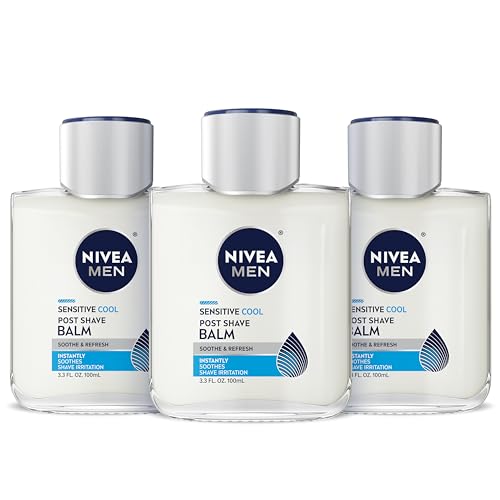
Stop burning your face with alcohol and start actually healing it. Most guys treat aftershave like a ritualistic splash of perfume or a quick disinfectant, but if you’re dealing with razor burn, redness, or dry patches after shaving, you’re doing it wrong. The difference between looking like you just got into a fistfight and looking fresh for the rest of the day comes down to one product: the right aftershave balm. It’s not about vanity; it’s about skin barrier recovery.
Our Top Picks
Affiliate disclosure: if you buy through these links, we may earn a commission at no extra cost to you.

Table of Contents

Quick Answer
Choose an alcohol-free aftershave balm that matches your skin type: look for ceramides and shea butter for dry skin, salicylic acid or tea tree oil for acne-prone skin, and aloe vera or witch hazel for sensitive skin. The goal is to soothe inflammation and restore moisture without clogging pores. If you have a beard, ensure the balm is lightweight enough to penetrate to the hair follicle without leaving a greasy residue.
Balm vs. Splash: Why You Need Moisture, Not Antiseptics
I used to think the sting of an alcohol-based splash meant it was working. It didn’t. It just dehydrated your skin, triggering your oil glands to overcompensate and produce more sebum, which leads to breakouts later in the day. An aftershave balm is fundamentally different because its primary job is hydration and barrier repair, not sterilization.
Think of shaving as exfoliating the top layer of your skin. You’ve just removed the protective shield. A splash evaporates instantly, leaving you drier than before. A balm sits on the skin, delivering moisture and soothing agents that calm the micro-abrasions caused by the blade. If you’re shaving daily for a job interview or just maintaining a clean look for date night, your skin needs recovery time, not a chemical burn.
Reading the Label: Ingredients That Actually Work
You don’t need a chemistry degree, but you do need to know what to look for. The ingredient list is where the truth lives. First, check for "alcohol denat" or "ethanol" near the top of the list. If it’s there, put it back. You want alcohol-free formulas. Instead, look for these three categories of ingredients:
Humectants: These pull water into the skin. Look for glycerin, hyaluronic acid, or aloe vera juice as the first few ingredients. Emollients: These smooth the skin surface. Shea butter, jojoba oil, and squalane are gold standards here. Soothing Agents: These stop the redness. Allantoin, chamomile extract, and centella asiatica (cica) are proven to reduce inflammation quickly.
Avoid products with heavy synthetic fragrances if you have sensitive skin. The "fresh" scent often comes from irritants that cause contact dermatitis over time. Opt for unscented or naturally scented options with essential oils like lavender or cedarwood, which offer mild antiseptic properties without the harshness of alcohol.
Matching Balm to Your Skin Type
Not all balms are created equal. Using a heavy balm on oily skin will clog your pores and lead to blackheads. Using a light gel on dry, flaky skin will do absolutely nothing for your razor burn. Here is how to break it down:
Oily/Acne-Prone Skin: Look for "oil-free" or "non-comedogenic" labels. Gel-based balms are your best friend here. They absorb instantly and often contain salicylic acid to keep pores clear. Avoid heavy butters like cocoa or shea in high concentrations.
Dry/Dehydrated Skin: You need a creamier consistency. Look for balms containing ceramides, which repair the skin barrier, and richer oils like argan or marula. These create a seal that locks in moisture, preventing that tight, itchy feeling by 2 PM.
Sensitive Skin: Keep the ingredient list short. Fewer ingredients mean fewer potential triggers. Focus on aloe vera and oat extract. If you shave with an electric razor, which tends to pull at hairs rather than cut them cleanly, your skin needs extra soothing power from ingredients like allantoin or panthenol.
Beard Care: Why Balms Beat Oils for Post-Shave
If you’re growing a beard or maintaining a stubble look, the neck and cheek lines are still exposed skin. Many guys skip aftershave here because they assume the beard oil will cover it. It doesn’t. Beard oil sits on top of the hair; it doesn’t penetrate the skin underneath effectively enough to heal razor burn.
A dedicated aftershave balm applied to the bare skin around your beard line prevents "beardruff" (dandruff in the beard) and ingrown hairs. Ingrown hairs happen when the hair curls back into the skin because the follicle is irritated. A soothing balm keeps the skin pliable, allowing the hair to exit straight out. Apply the balm to the neck and cheeks first, then apply your beard oil to the hair itself.
Application Technique: The 60-Second Rule
The product is only half the battle. How you apply it matters. Most guys slap it on dry skin after toweling off. This is a mistake. Your skin needs to be damp. After rinsing with cool water to close the pores, pat your face until it’s just slightly moist—not wet, not dry.
Take a dime-sized amount of balm and warm it between your palms for five seconds. This activates the oils and ensures even distribution. Press the balm into your skin rather than rubbing it in aggressively. Rubbing creates friction; pressing allows absorption. Spend 60 seconds doing this properly. It’s not just skincare; it’s a moment to reset before the workday starts.
Frequently Asked Questions
Can I use face moisturizer instead of aftershave balm?
Yes, if your face moisturizer contains soothing ingredients like aloe or ceramides and is alcohol-free. However, aftershave balms are specifically formulated with higher concentrations of anti-inflammatory agents to target the immediate trauma of shaving.
Is it okay to use aftershave balm every day?
Absolutely. If you shave daily, your skin barrier is under constant stress. Daily use of a hydrating balm maintains skin health and prevents long-term irritation.
Why does my aftershave sting so much?
If it stings, it’s likely high in alcohol or contains strong astringents like witch hazel in high concentrations. This indicates your skin barrier is compromised. Switch to an alcohol-free balm immediately.
Should I use aftershave balm if I use an electric shaver?
Yes. Electric shavers can still cause friction burn and dryness. A lightweight, fast-absorbing balm helps soothe the skin without leaving a greasy residue that might interfere with your next shave.
How long does an aftershave balm last?
A standard 3-4 ounce jar typically lasts 2-3 months with daily use. Store it in a cool, dry place away from direct sunlight to preserve the integrity of the natural oils.
Choosing the right aftershave balm isn’t about finding the most expensive jar on the shelf; it’s about matching the formulation to your skin’s specific needs. Stop fighting razor burn with alcohol and start healing your skin barrier with hydration. Pick a balm that aligns with your skin type, apply it to damp skin, and stick with it for two weeks. You’ll notice less redness, fewer breakouts, and a smoother shave every time. Your face does the heavy lifting; give it the recovery it deserves.


