

How To Choose The Right Body Groomers 2026
Let’s cut to the chase: nobody wants to look like they’re wearing a fur coat when it’s 85 degrees outside, but you also don’t want to wake up with razor burn that makes putting on a collared shirt feel like torture. Body grooming isn’t about vanity; it’s about hygiene, comfort, and presenting a polished version of yourself whether you’re heading to the office or hitting the gym. Most guys mess this up by using the wrong tools for the job—like trying to shave your chest with a face razor—or skipping the prep work entirely. Here is exactly how to pick the right trimmer for your specific needs without wasting money on gadgets that will just sit in a drawer.
Our Top Picks
Affiliate disclosure: if you buy through these links, we may earn a commission at no extra cost to you.

Table of Contents

Quick Answer
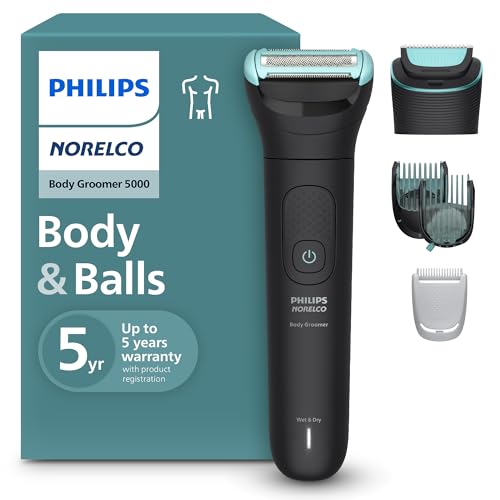
For most men, a dedicated body groomer with a pivoting head and a skin-safe foil or rounded blade is the only safe bet for sensitive areas like the chest and back. If you just need to tidy up your neckline or define your beard, a standard multi-groomer with a precision trimmer attachment will suffice. Avoid using your face razor on your body; the blades are too aggressive and will cause immediate irritation.
Why You Can't Use Your Face Razor
I see guys trying to save money by dragging their five-blade cartridge razor across their chest or back. Stop doing that immediately. Facial skin is thicker and more resilient than the skin on your torso, groin, or inner thighs. Using a face razor designed for close-cropped stubble on body hair will almost certainly lead to ingrown hairs, razor burn, and patches of redness that last for days.
Body hair grows in different directions and is often coarser than facial hair. A dedicated body groomer is engineered to handle this volume without pulling. The blades are spaced differently, and the guards are designed to leave a tiny buffer between the metal and your skin. If you want a completely smooth, baby-bottom finish, you can use a razor, but only after trimming the hair down first with a body groomer. Never go straight from long hair to a cartridge razor on your body.
The Two Main Types: Foil vs. Rotary
When shopping for a body groomer, you will generally encounter two technologies: foil and rotary. Understanding the difference is crucial because they serve different purposes.
Foil Trimmers: These have a thin, perforated metal sheet covering oscillating blades. They are excellent for precision work. If you want to define your beard line, tidy up your eyebrows, or get a very close trim on flat surfaces like your stomach, a foil head is the way to go. However, they struggle with long hair and curved areas.
Rotary Trimmers: These use circular blades that spin beneath floating heads. They are superior for contouring. If you are trimming your back, chest, or shoulders, a rotary head will glide over the curves of your muscles without missing spots. They are also better at handling longer hair lengths without tugging.
Key Features That Actually Matter
Marketing departments love to throw around buzzwords like "nano-tech" or "self-sharpening," but for body grooming, only a few features impact your daily experience.
Pivoting Heads: This is non-negotiable. Your torso isn't flat. A head that pivots on multiple axes allows you to reach under your arms and around your ribs without contorting yourself into a pretzel. Look for heads that move at least 360 degrees.
Skin-Guard Technology: High-quality body groomers come with plastic guards or "skin guards" that sit between the blade and your skin. These prevent the metal from touching your epidermis directly, reducing heat buildup and irritation. If a trimmer doesn't have these guards, it’s designed for hair, not skin contact.
Motor Power: Body hair can be thick and wiry. A weak motor will stall when you hit a patch of dense chest hair, pulling the hair instead of cutting it. Look for devices with at least 7000 RPM (revolutions per minute) to ensure a clean cut through coarse hair.
Wet vs. Dry Grooming
This decision comes down to your personal comfort and skin sensitivity. Dry grooming is faster and more convenient. You can do it quickly in the morning before work without worrying about water or soap. It’s also better for removing bulk hair quickly.
Wet grooming involves using shaving cream, gel, or even just running the device under the shower stream. This is significantly gentler on sensitive skin because the lubrication reduces friction. If you have eczema, psoriasis, or just prone to razor burn, wet grooming with a waterproof body trimmer is the safer route. It also makes cleanup easier since hair washes away down the drain rather than sticking to your bathroom floor.
Ensure whatever device you buy is IPX7 rated or higher. This means it can be submerged in water without damage. Cheap "water-resistant" models often fail after a few months of shower use, leaving you with an expensive paperweight.
Maintenance and Hygiene
A body groomer is a hygiene tool, not just a beauty tool. Sweat, dead skin, and hair clippings accumulate in the blade mechanism. If you don't clean it regularly, bacteria can build up, leading to folliculitis (infected hair follicles) or unpleasant odors.
Most modern body groomers are washable. After each use, rinse the head under hot water and use the small brush included in the box to dislodge trapped hairs. If your model supports it, add a drop of clipper oil once a month to keep the blades moving smoothly. Dull blades pull hair; sharp blades cut it cleanly. Pulling causes ingrown hairs, which are the bane of body grooming.
Store your device in a dry place. Bathroom humidity is the enemy of electronic devices. If you travel, use a hard case to protect the blades from getting crushed in your gym bag or suitcase.
Frequently Asked Questions
Can I use a body groomer on my head?
Generally, no. Body groomers are designed for thicker hair and different skin textures. Using one on your scalp can lead to an uneven cut and increased irritation. Stick to clippers with adjustable guards for your head.
How often should I trim my body hair?
This depends on your growth rate and personal preference. For hygiene, trimming every 1-2 weeks is sufficient to manage length and prevent odor buildup from trapped sweat. Shaving completely smooth requires more frequent maintenance, usually every 3-4 days.
Will a body groomer cause ingrown hairs?
It can if used incorrectly. Ingrown hairs happen when hair is cut too short and curls back into the skin. To prevent this, never shave your body completely bald unless you are exfoliating regularly. Leave at least 0.5mm of length, or use a rotary trimmer which cuts less aggressively than foil.
Is it safe to use a body groomer in the shower?
Yes, provided the device is explicitly rated as waterproof (IPX7). Do not use standard "water-resistant" facial trimmers in the shower. Ensure your hands are dry when handling the charging port or buttons if they aren't sealed.
Do I need a specific guard for sensitive areas?
Yes. For the groin and buttocks, always use the shortest plastic guard provided with the trimmer. Never use the bare metal blades on these areas. The skin is loose and uneven, making it highly susceptible to nicks and cuts.
Choosing the right body groomer comes down to matching the tool to your anatomy and your routine. If you have a lot of contouring to do or coarse hair, invest in a high-quality rotary trimmer with a pivoting head. If you need precision for your beard line and occasional chest tidy-up, a foil trimmer will serve you well. Regardless of what you buy, prioritize skin safety over closeness. Looking sharp is about clean lines and healthy skin, not just how much hair you can remove in one pass.


