

How To Choose The Right Beard Combs 2026
By Jake Morrison
Most guys treat their beard like a neglected lawn—just let it grow and hope for the best. But if you’re rocking facial hair, you know that without maintenance, it turns into a bird’s nest of split ends and trapped food particles. The difference between looking rugged and looking unkempt usually comes down to one cheap tool: the comb. Stop buying plastic junk from gas stations that static-clings your beard to your chin and causes breakage. Here is how to actually pick the right gear for your face.
Our Top Picks
Affiliate disclosure: if you buy through these links, we may earn a commission at no extra cost to you.
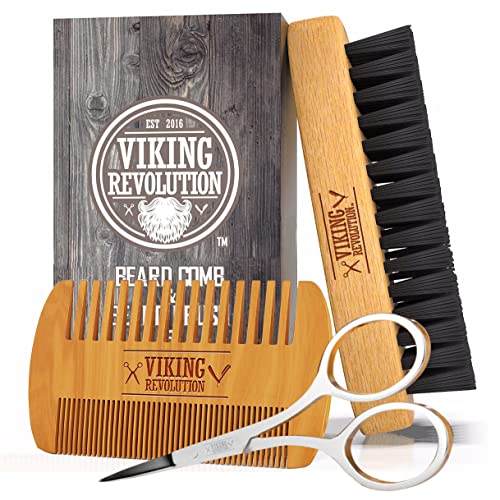
Table of Contents


Quick Answer
For most men, a high-quality wooden comb (cedar or sandalwood) with mixed tooth spacing is the best all-around choice because it distributes natural oils and eliminates static. If you have a short stubble or goatee, use a metal wide-tooth pick to avoid pulling. For long beards over 3 inches, always start detangling with a boar bristle brush before switching to a comb for styling.
Wood vs. Plastic: The Material Battle
I used to grab whatever plastic comb was in the bathroom drawer until I realized my beard felt dry and frizzy no matter how much oil I applied. The issue wasn't the oil; it was the static electricity generated by cheap plastic. Wood is naturally anti-static, which means your hair stays put without looking greasy. It also has a slight texture that helps lift the hair from the skin, allowing beard oil to reach the follicle underneath rather than just sitting on top of the surface.
Bamboo is durable and eco-friendly, but cedarwood (like Red Cedar) and Sandalwood are superior because they naturally contain aromatic oils that add a subtle, masculine scent to your beard. You don’t need expensive perfumed combs; real wood smells good on its own. Avoid acrylic or resin combs unless you are strictly using them for wet styling, as they can still create static when dry.
Tooth Spacing Matters More Than You Think
Not all combs are created equal. The spacing between the teeth determines what your comb can actually do. A fine-tooth comb (where teeth are close together) is great for applying beard wax or creating a sharp part line, but it is terrible for detangling. If you try to pull a fine-tooth comb through a knotted beard, you’re going to rip hairs out by the root.
Look for a "mixed tooth" comb. These have wider teeth on one end for initial detangling and narrower teeth on the other for smoothing and styling. This dual-action design is the most practical choice for daily use. It allows you to work through knots from the bottom up without snapping your facial hair.
The Right Tool for the Right Length
Your grooming routine should change as your beard grows. If you are in the early stages (1–2 inches) or maintaining a heavy stubble, a standard comb will just get stuck and pull. In this phase, you need a metal wide-tooth pick or a specialized "beard pick." The long, rigid teeth glide over the skin and separate hairs without tugging at the shorter strands.
Once your beard hits the 3-inch mark, switch to a boar bristle brush for the morning routine. The bristles exfoliate the skin underneath (preventing beardruff) and distribute oils evenly. Use the wooden comb only after brushing to shape and straighten the hair. Trying to force a comb through a thick, long beard from day one will result in uneven growth patterns because you’re pulling hairs in different directions.
Travel and Gym Bag Essentials
If you work out or travel frequently, your grooming kit needs to be compact. A full-sized wooden comb takes up too much room in a gym bag and can snap if dropped on concrete. For the gym, invest in a durable, lightweight plastic or carbon-fiber comb specifically designed for travel. These are virtually indestructible and easy to rinse off after a sweaty session.
For TSA-compliant travel, remember that while combs aren’t liquids, they can be flagged if they look like weapons (rare, but possible with large metal picks). A standard-sized wooden comb fits easily in any toiletry bag. Keep a dedicated "gym comb" separate from your "home comb" to avoid cross-contamination of sweat and bacteria.
Maintenance: Keeping Your Comb Clean
It sounds gross, but your beard comb is collecting dead skin cells, old oil, and food debris. If you don’t clean it, you’re essentially reapplying yesterday’s grime to your face every morning. This can lead to folliculitis (pimples in the beard) and irritation.
Once a week, pull out any trapped hairs with tweezers or another comb. Wash wooden combs with warm water and mild soap, then dry them immediately. Metal picks can be tossed in the dishwasher. If your comb starts feeling rough or splintery, throw it away. A damaged comb will damage your beard.
Frequently Asked Questions
Can I use a hair comb for my beard?
You can, but it’s not ideal. Beard hair is coarser and thicker than scalp hair. A standard hair comb often has teeth that are too close together, causing snagging and breakage in facial hair. Use a comb specifically designed for beards or one with mixed tooth spacing.
Why does my beard itch when I comb it?
Itching is usually caused by dry skin underneath, not the comb itself. Ensure you are applying beard oil or balm before combing. If the itching persists, your beard might be too short to comb effectively; switch to a metal pick until it grows out.
Is a wooden comb better than a plastic one?
Yes, for dry beards. Wood reduces static and distributes natural oils better than plastic. However, high-quality, smooth plastic is acceptable for wet styling or gym use where durability and water resistance are priorities.
How often should I replace my beard comb?
If it’s wooden, every 6–12 months depending on wear. If the teeth become rough or splintered, replace it immediately to prevent hair damage. Metal picks last indefinitely unless they bend.
Should I comb my beard up or down?
Always comb down first to detangle and align the hairs with their natural growth pattern. Only comb up if you are specifically trying to add volume at the roots for a fuller look.
Choosing the right beard comb isn’t about buying the most expensive option; it’s about matching the tool to your hair type and length. Stick to wood for daily maintenance, use metal picks for short growth, and keep your gear clean. Do this, and you’ll save time in the morning and have a healthier, sharper-looking beard without the hassle.


