

How To Choose The Right Beard Trimmers 2026
Your beard is the single most effective tool you have for aging gracefully, but a scruffy, uneven patch looks less like "rugged charm" and more like you forgot to shave. In 2026, the market is flooded with gadgets that promise the world but deliver dead batteries and inconsistent cuts. Choosing the right trimmer isn't about buying the most expensive box; it's about finding a tool that fits your specific hair density, lifestyle, and maintenance tolerance so you can look sharp without spending twenty minutes in front of the mirror.
Our Top Picks
Affiliate disclosure: if you buy through these links, we may earn a commission at no extra cost to you.

Table of Contents

Quick Answer
For most men, a cordless, rechargeable trimmer with a stainless steel blade and an adjustable comb (0.5mm to 10mm) is the sweet spot for daily maintenance. If you have thick, coarse hair, prioritize high-torque motors over battery life. If you travel often or hate cable clutter, look for USB-C fast charging and a universal voltage adapter. Avoid cheap plastic attachments; they warp and give uneven results.
Motor Power: Torque vs. RPM
Here is where most guys get tricked up by specs. You will see "10,000 RPM" plastered on the box. That sounds impressive until you try it on a thick neck beard. High speed means nothing if the motor lacks torque (rotational force). When a low-torque motor hits dense hair, it bogs down, pulls your hairs, and leaves gaps because it can't cut through the resistance.
Look for "high-torque" or "magnetic levitation" motors. These maintain consistent power even when the blade encounters resistance. If you have fine, soft facial hair, a standard high-speed motor is fine. But if your beard feels like steel wool, you need a motor that can push through without stalling. Think of it like a drill: you want torque to drive the bit, not just spin it fast.
Blade Material and Edge Retention
The blade is the only part that matters for the actual cut. In 2026, we have moved past basic stainless steel. Look for blades made from Japanese or German steel with a titanium or ceramic coating. These materials stay sharper longer and generate less heat. A cold blade feels better on your skin; a hot blade burns.
Self-sharpening blades are a legitimate feature, not just marketing fluff. As the two blades move against each other, they sharpen one another with every pass. This extends the life of the trimmer significantly. Avoid ceramic-only blades if you have very coarse hair; they can be brittle and snap under high pressure. Stick to coated stainless steel for durability.
Power Source: Lithium-Iion vs. NiMH
Forget disposable batteries. You are wasting money and time. The choice now is between Nickel-Metal Hydride (NiMH) rechargeable packs and built-in Lithium-Ion (Li-ion) batteries. NiMH packs are great because you can buy replacement packs for cheap if the original dies after three years. However, Li-ion is superior for daily users.
Lithium-Ion batteries hold a charge much longer when sitting idle. If you travel for work or go weeks without grooming, a Li-ion trimmer will still have juice in the drawer. NiMH batteries suffer from "memory effect" if not fully drained, leading to shorter run times over the years. For a daily driver, go Lithium-Ion with USB-C charging. It’s faster and more convenient than proprietary bricks.
Attachment Combs and Precision
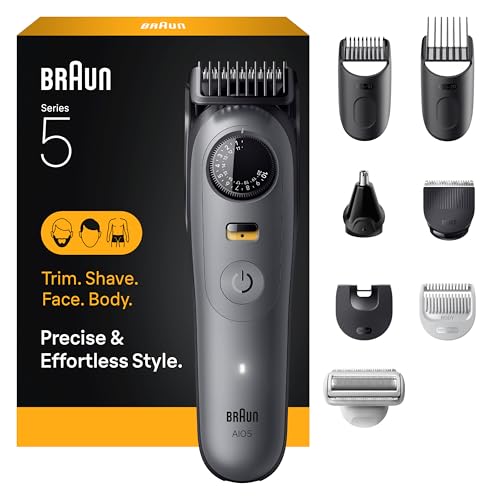
The combs are where cheap trimmers fail. Flimsy plastic clips break after a month, or worse, they warp, giving you uneven lengths. Look for comb attachments that snap in securely with a solid "click." Some high-end models offer magnetic combs that attach instantly and stay put even if you shake the device vigorously.
For versatility, you need a range from 0.5mm (stubble) to at least 10mm or 12mm (full beard). If you like to switch between a 3-day stubble look for dates and a fuller beard for weekends, ensure your trimmer has fine-adjustment dials (e.g., 0.1mm increments). This saves you from constantly swapping plastic combs, which is a hassle when you're in a rush.
Waterproofing and Cleaning Ease
If your trimmer isn't IPX7 waterproof (submersible), stop reading. You need to be able to rinse the head under running water immediately after use. Beard hair gets trapped in the gears; if it dries, it turns into a paste that ruins the motor. Waterproofing allows you to clean it thoroughly without worrying about shorting out the electronics.
Look for "fully washable" heads. Some older designs have crevices where water pools and rusts the internal springs. Modern 2026 models should have sealed mechanisms that let you hose them down or even drop them in a cup of alcohol to sanitize and dry them out. This is critical for preventing beardruff and skin irritation.
Ergonomics for the Morning Rush
Technical specs don't matter if the trimmer feels like a brick in your hand. You need a textured grip that doesn't slip when your hands are wet or soapy. The weight should be balanced; too heavy, and you'll tire your wrist during a detailed edge-up; too light, and it might feel cheap and vibrate excessively.
Consider the shape. A straight handle is standard, but an angled or pistol-grip style can offer better control for detailing sideburns and the neckline. If you have large hands, check the width of the device. Narrow devices are easier to maneuver around the Adam's apple and jawline but might feel awkward for broad cheek lines.
Frequently Asked Questions
Do I need a beard trimmer if I shave daily?
No. If you shave clean, buy an electric foil shaver or a safety razor. A trimmer is for maintaining length and shaping, not for removing hair down to the skin.
Can I use my beard trimmer on my head?
Most modern beard trimmers have enough power to cut head hair, but they are designed for facial contours. For a full head shave or buzz cut, a dedicated body/head groomer with a wider cutting surface is faster and more efficient.
How often should I replace the blades?
If you oil them regularly, high-quality stainless steel blades last 12-18 months. If you start feeling tugging or pulling, it’s time to replace the blade head or buy a new unit.
Is a corded trimmer better than cordless?
Corded trimmers offer consistent power but limit your movement. For home use, a high-quality cordless model is superior for convenience. Only buy corded if you are a professional barber working in a shop with constant outlet access.
What is the best length for a first beard trim?
Start longer than you think. Use the 6mm or 8mm guard to establish your base length. You can always go shorter, but you can't glue hair back on if you cut too deep.
Choosing the right beard trimmer comes down to matching the tool to your specific hair type and daily routine. Don't overpay for smart features you won't use; focus on motor torque, blade durability, and ease of cleaning. Get a solid mid-range unit, learn how to set your guides correctly, and stick to a weekly maintenance schedule. Your face will thank you.


