

Best Safety Razor For Beginners
🏆 Top Picks at a Glance
 #1
#1
Best Overall
MERKUR 23C Double Edge Safety Razor - Polished Chrome, Long Knurled Brass Handle, Made in Germany, Plastic-Free, Three Piece Design, Closed Comb, Straight Bar
$42.0
Check Price →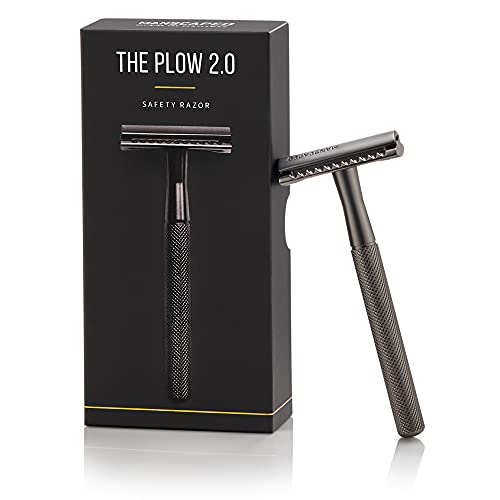 #2
#2
Runner Up
MANSCAPED® The Plow® 2.0 Premium Single Blade Double-Edged Safety Face Razor for Men
$34.99
Check Price → #3
#3
Best Value
King C. Gillette Safety Razor with Chrome Plated Handle and 5 Platinum Coated Double Edge Safety Razor Blade Refills
$29.97
Check Price →Our Top Picks
Affiliate disclosure: if you buy through these links, we may earn a commission at no extra cost to you.
Factors to Consider
Blade Exposure and Head Design Matter More Than You Think
⚡ Quick Answer
The gap between the blade and the guard—called blade exposure—is what separates a comfortable shave from a bloody mess. Beginners need mild exposure (around 0.6-0.7mm), which gives you forgiveness if your angle is slightly off. Aggressive razors with high exposure demand precision that takes months to develop, so don't start there no matter how good reviews sound. A closed-comb head also helps keep you from cutting yourself because it literally blocks the blade from digging too deep into skin.
Table of Contents
Weight and Balance Affect Your Technique (and Results)
A razor between 60-100 grams does most of the work for you—gravity handles the cutting, not arm pressure. Too light and you'll subconsciously press harder, which causes irritation and ingrown hairs. Too heavy and fatigue sets in halfway through your shave. Look for razors with weight concentrated in the handle, not the head, so you have actual control over what you're doing.
Handle Grip Determines Whether You'll Actually Use It
Wet hands and soap make slippery handles a safety hazard and a frustration killer. Test the grip texture—knurled (crosshatched) metal or textured resin beats smooth chrome every time. If you travel or have small hands, shorter handles (around 3 inches) are easier to control in tight spaces like planes or shared bathrooms.
Price-to-Value: When You're Actually Spending Your Money Wisely
Beginners don't need to drop $100+ on a razor to get results—$30-60 covers solid starter razors with good blade exposure and balance. The real cost isn't the razor itself; it's the blades you'll buy repeatedly. Feather and Astra blades run cheaper per-shave than premium alternatives, and most beginner razors work with standard DE blades that cost pennies. Avoid ultra-budget razors under $20, which often have inconsistent blade exposure that makes learning proper technique nearly impossible.
Build Quality and Warranty Protect Your Investment
Stainless steel and brass hold up through years of daily use; pot metal rusts and degrades fast. Check if the head and handle are soldered or welded together—soldered connections can crack over time with repeated disassembly. Good manufacturers (the ones recommended later) offer replacements if something breaks, which tells you they stand behind what they sell.
Frequently Asked Questions
How long does it take to learn the right angle with a safety razor?
Most guys nail it in 2-3 weeks of daily shaving—your muscle memory adapts faster than you'd expect. The golden angle is 30 degrees between the blade and your skin; aim slightly steeper on your cheeks and slightly flatter on your neck where skin is sensitive. Use a mirror and go slow at first; rushing is what causes nicks.
Can I use any blade in any safety razor?
No—most safety razors take standard double-edge (DE) blades, but head compatibility varies by model. Some razors have a two-piece design (unscrew the handle to load blades) while others are three-piece or butterfly-open. Always check the specific razor's manual to confirm blade compatibility, and buy extra blades from the same manufacturer initially so you're not troubleshooting blade fit on top of learning technique.
Do I really need shaving cream or will soap work?
Real shaving cream or soap makes the difference between a comfortable shave and razor burn—soap alone dries out your skin and doesn't cushion the blade. A good cream softens whiskers and creates slip between blade and skin, reducing irritation by 30-40% compared to using soap. Even a basic $5 cream beats nothing, though upgrading to a quality soap costs only slightly more and lasts 3x longer.
How often should I replace my blades?
Change blades every 5-7 shaves for sensitive skin, or 7-10 shaves if your beard is lighter and skin is tougher. A dull blade forces you to press harder, which causes ingrown hairs and irritation—it's not worth saving a 25-cent blade. Store used blades in a container marked "used blades" and dispose safely; never leave them loose in your trash where someone gets cut.
Will switching to a safety razor actually save me money?
Yes, but it takes time to break even—initial investment is $30-60, but blades cost $0.20-0.50 each versus $2-5 for cartridge razors. After 6 months you'll have saved money, and after a year you're ahead by $80-120 depending on how often you shave. The real win is consistency: you're not throwing away $200+ razors when the cartridge gets dull.
What's the difference between a butterfly and two-piece safety razor?
A butterfly razor has a handle that twists to open the head, making blade loading faster but with slightly more moving parts to maintain. A two-piece has the head and handle as separate pieces that screw together, which is more durable long-term and easier to deep-clean. Beginners usually find butterfly-open razors simpler to understand, but once you get the motion down, either works equally well.
Can I use a safety razor if I have sensitive skin or ingrown hair issues?
Actually, yes—this is where safety razors shine because you control cutting angle precisely instead of multi-blade cartridges tearing hairs beneath the surface. The key is using a mild razor, changing blades frequently, and shaving with the grain (not against it) to avoid the irritation that causes ingrowns. Pair this with a pre-shave oil and aftershave balm, and most guys see improvement in ingrown hairs within 3-4 weeks.
Conclusion
Safety razors aren't complicated once you understand blade exposure, handle weight, and the importance of proper angle—and they deliver a closer, more comfortable shave than most people expect. Start with a mild, well-balanced razor in the $40-60 range, invest in decent technique (not just expensive gear), and give yourself 3-4 weeks before deciding if it's working.
Pick one of the starter razors listed in this article, buy a variety pack of blades to find what your skin likes, and commit to the learning curve. You'll save money, reduce irritation, and actually look forward to your morning shave instead of rushing through it.


