

Best Beard Oils Overall
🏆 Top Picks at a Glance
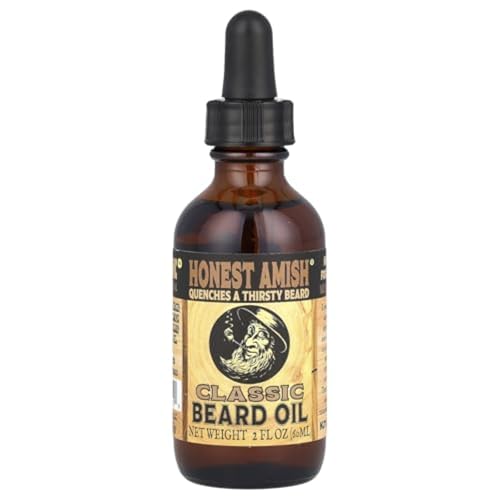 #1
#1
Best Overall
Honest Amish - Classic Beard Oil - 2 Ounce
$12.22
Check Price →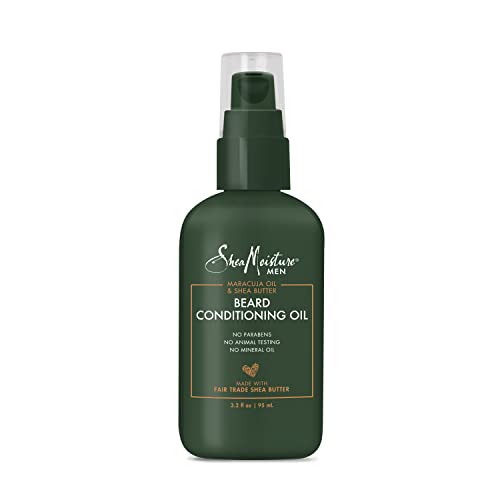 #2
#2
Runner Up
SheaMoisture Beard Conditioning Oil for a Full Beard Maracuja Oil and Shea Butter to Moisturize and Soften 3.2 oz
$11.59
Check Price → #3
#3
Best Value
Viking Revolution Beard Oil for Men - Natural Mens Beard Oil with Argan Oil and Jojoba Oil - Beard Softener,Strengthens and Moisturizes - Beard Conditioner for Men (Spiced Vanilla, 1 Pack)
$9.99
Check Price →Our Top Picks
Affiliate disclosure: if you buy through these links, we may earn a commission at no extra cost to you.
Factors to Consider
Skin type, beard length, and prep
⚡ Quick Answer
Choosing an oil starts with your skin and beard length. For dry skin, pick a lightweight base like jojoba or grapeseed that absorbs quickly without leaving a grease film. For longer, coarser beards, you can tolerate a slightly heavier blend with argan to help tame flyaways. Pro tip: patch-test on the jawline for 24 hours before full use to avoid irritation.
Table of Contents
Ingredient quality and budget considerations
Look at the carrier oils and additives. Jojoba, argan, grapeseed, and sweet almond offer a good balance of moisture and absorption; coconut oil is heavier and can clog pores for some. Higher price doesn’t always mean better; many mid-priced oils use the same base oils but with nicer packaging or fragrance. Pro tip: check the ingredient list—the first three ingredients should be your main oils, not fillers or solvents.
Fragrance strategy and scent layering
Fragrance matters because you’ll be layering with cologne. If you wear scent daily, choose fragrance-free or very light essential-oil blends to avoid clashing with your cologne. For date night, you can opt for a subtle, complementary aroma, but test to ensure it doesn’t compete. Pro tip: apply beard oil 10-15 minutes before cologne to prevent scent interactions.
Packaging, price-to-value, and travel considerations
Packaging impacts longevity and travel-friendly use. Look for 1-2 oz bottles with a dropper or pump for precise dosing; avoid metal droppers that can degrade. Price-to-value matters: cheaper oils can perform as well as premium ones if the base oils are the same; watch for filler ingredients and artificial fragrances. Pro tip: for travel, transfer to a small, leak-proof bottle and keep it in a sealed bag to pass TSA rules.
Frequently Asked Questions
Is beard oil good for sensitive skin?
Yes, provided you choose fragrance-free or very mild blends and perform a patch test first. Research in cosmetic science indicates fragrance-free oils reduce irritation risk, and ingredients like jojoba resemble sebum, improving skin tolerance. Pro tip: start with a drop or two on a small area to gauge response.
What’s the difference between carrier oils in beard oil?
Carrier oils vary in thickness and skin-penetration. Jojoba mimics sebum and absorbs quickly, argan offers rich conditioning with vitamin E, grapeseed is light and non-greasy, and sweet almond provides smoothing moisture. Research notes that different oils deliver distinct feel and performance, so choose based on beard length and skin type. Pro tip: match the oil’s thickness to your beard’s fullness for the best control without weighing it down.
How many drops should I use?
Start with 3-4 drops for a short to medium beard and 5-6 drops for a fuller beard, then adjust based on how it feels and smells. The goal is a light, even coat that moisturizes skin without leaving a slick finish. Pro tip: apply to a slightly damp beard after showering for faster absorption and better conditioning.
Can beard oil help with beardruff?
Yes. Regular use moisturizes the skin beneath the beard, reducing flakiness and itch. Research on emollients shows that maintaining skin moisture helps control xerosis and irritation, which contributes to beardruff reduction. Pro tip: focus on the skin under the beard, not just the facial hair, for best results.
Will beard oil work on a very short beard?
Yes, it still helps with itchiness and dryness that can occur after shaving or trimming. Lighter oils prevent grease buildup while keeping the skin hydrated. Pro tip: apply sparingly—one small drop on the cheeks and jawline is enough for short beards.
Should I apply beard oil before or after shaving?
Apply after shaving or a warm shower when the pores are open for better absorption. If you’re shaving in the morning, let the skin dry and then use a small amount to soothe and moisturize before styling. Pro tip: avoid applying directly on irritated or freshly nicked skin to prevent stinging.
Are there beard oils with SPF or added UV protection?
Most beard oils don’t include SPF; you should use separate sunscreen if you’ll be in the sun. Some formulas add vitamin E and antioxidants that support skin health but don’t replace sun protection. Pro tip: pair your oil with a facial SPF as part of your morning routine for full protection.
Conclusion
Bottom line: a lightweight, non-greasy beard oil with a solid carrier oil base (like jojoba or grapeseed) delivers the best daily results for most guys. If you have a longer beard or longer days ahead, an argan-based blend offers extra conditioning without weighing you down. For value, many mid-priced options perform as well as premium brands when you focus on core oils and practical packaging.


