How To Stop Razor Burn On Neck And Jawline In Humi
If you’ve ever peeled off your shirt after a humid day only to find your neck raw, red, and itching like crazy, you know the specific hell of summer razor burn. It’s not just an aesthetic annoyance; it’s painful, it ruins your confidence before that 2 PM meeting, and in this weather, standard shaving tricks fail you. The combination of sweat, humidity, and friction turns a simple shave into a minefield, but with the right adjustments to your prep and technique, you can keep your jawline smooth without turning your neck into a lobster.
Quick Answer
To stop razor burn in humid weather, you must switch from a hot towel routine to a cool, enzymatic pre-shave treatment to tighten pores and reduce swelling, use a single-blade or high-quality safety razor to prevent ingrown hairs caused by sweat trapping bacteria, and finish with an alcohol-free, salicylic acid-based aftershave balm to calm inflammation. Always shave with the grain in summer, never against it, regardless of how close you think you need to be.
Table of Contents
Why Humidity Ruins Your Shave
In winter, your skin is tight and dry. In summer, it’s swollen, oily, and sensitive. When the humidity hits 70% or higher, your pores open up to release heat, and your skin becomes more permeable. This means a razor blade doesn't just cut hair; it drags across a softer, more vulnerable surface. The sweat that follows creates a breeding ground for bacteria, which turns minor nicks into angry, infected bumps.
Most guys try to compensate by pressing harder or using more shaving cream, which is exactly the wrong move. Pressing harder increases friction and heat, while too much lubricant can clog your razor screen, forcing you to make multiple passes over the same irritated spot. The goal in summer isn't just a close shave; it's a low-friction, low-trauma shave.
The Pre-Shave Protocol for Sweaty Days
Ditch the hot towel. I know, every old-school barber will tell you to soak your face in steam to soften the hair. In July, that just inflames your skin and triggers more sweat production. Instead, wash your face with a cool-water cleanser containing salicylic acid or glycolic acid. These ingredients exfoliate the top layer of dead skin cells and tighten the pore openings slightly, giving you a firmer surface for the blade to glide over.
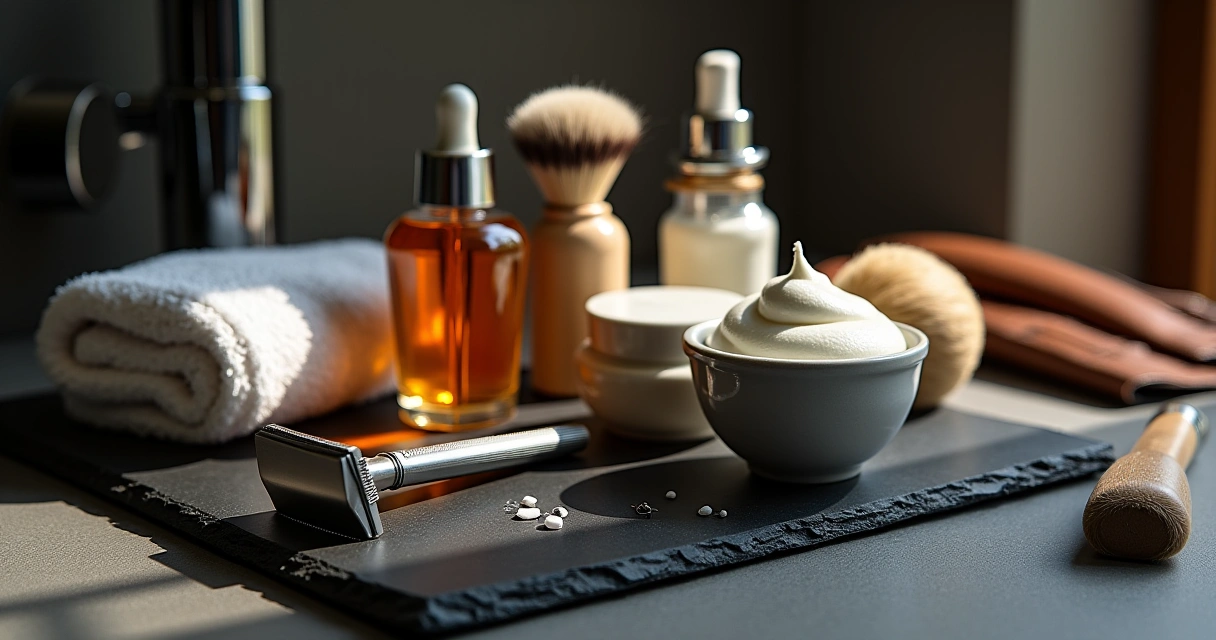
Apply a pre-shave oil that contains witch hazel or tea tree oil. Witch hazel is an astringent that helps control the oiliness on your neck, while tea tree oil has natural antiseptic properties that fight the bacteria causing your razor bumps. Let it sit for 60 seconds before applying your shaving cream. This step takes ten seconds but saves you an hour of itching later.
Blade Choice and Shaving Technique
Your cartridge razor with five blades is designed to lift and cut hair, which leaves the tip of the hair slightly below the skin surface. In humid weather, that retracted hair tip gets trapped under the swollen skin as it cools down, leading to ingrown hairs (pseudofolliculitis barbae). Switch to a single-blade safety razor or a high-quality two-blade cartridge with a fixed head. Fewer blades mean less lifting and less irritation.
Technique is non-negotiable. In summer, you must shave strictly with the grain (WTG). If your hair grows downward on your neck, go down. Do not cross-grain or against-the-grain unless you are prepared to deal with the aftermath. Use light pressure—let the weight of the razor do the work. If you have to press, your blade is dull or your prep was insufficient.
Post-Shave Care That Actually Works
Most drugstore aftershaves are just rubbing alcohol with fragrance. In winter, that sting feels "clean." In summer, on razor-burned skin, it’s chemical warfare. It strips your moisture barrier and causes rebound oil production, leading to more breakouts. You need a post-shave balm that is alcohol-free and contains soothing agents like aloe vera, allantoin, or chamomile.
If you are prone to severe razor bumps, look for a toner with beta-hydroxy acid (BHA). Apply it with your hands, not a cotton pad, to avoid friction. This penetrates the pore to clear out the debris that causes bumps. Follow up with a lightweight, oil-free moisturizer to repair the skin barrier without clogging pores in the heat.
Emergency Fixes for Active Breakouts
If you wake up with a neck full of red bumps because you messed up your shave or had a bad day at the gym, stop shaving that area immediately. Give it 48 hours. Trying to shave over active inflammation will only spread bacteria and deepen the wounds. Use a hydrocolloid patch (the kind used for pimples) on any individual large bumps to protect them from friction against your collar.
For general redness, apply a cold compress or an ice cube wrapped in a thin cloth for 30 seconds at a time. This constricts the blood vessels and reduces swelling. Avoid heavy ointments like Vaseline during this phase; they trap heat and bacteria. Stick to water-based gels that breathe.
Frequently Asked Questions
Can I use shaving gel instead of cream in summer?
Gels can be sticky and hard to rinse out in humidity, which clogs razors. A clear shaving gel with less fragrance is better than a thick white cream, but a pre-shave oil followed by a light lather is the gold standard for reducing friction.
Why do I get razor burn only on my neck?
The skin on your neck is thinner and more sensitive than the rest of your face. Additionally, neck hair often grows in multiple directions (whorls), making it impossible to shave with the grain consistently without a multi-pass strategy that irritates the skin.
Should I change my razor blade more often in summer?
Yes. Humidity and sweat accelerate corrosion on the blade edge. If your blade lasts 5 shaves in winter, it might only last 3 in summer. A dull blade drags rather than cuts, causing significantly more burn.
Is electric shaving better for humid weather?
For many men, yes. Electric shavers (especially foil types) don't cut as close as a wet shave, which means less skin trauma and fewer ingrown hairs. If you suffer from chronic razor bumps, switching to an electric shaver is the most effective long-term solution.
What ingredients should I avoid in aftershave?
Avoid high concentrations of denatured alcohol (ethanol), synthetic fragrances (parfum), and menthol. These provide a cooling sensation but actually increase blood flow and irritation to already damaged skin.
Summer shaving requires a shift in mindset from "getting the closest shave possible" to "causing the least amount of damage." By adjusting your prep, using fewer blades, and skipping the alcohol-based aftershaves, you can keep your neck clear even when the humidity is at its peak. Start with the cool pre-shave routine today, and you’ll notice a difference by tomorrow morning.