Top Picks for This Topic
As an Amazon Associate we earn from qualifying purchases at no extra cost to you.

If you’re tired of nicks, irritation, or feeling like your shave looks patchy and rushed, you’re not alone. The truth is, shaving isn’t just about grabbing a razor and going—it's an art and science that, when done right, can save you time, money, and a lot of frustration. Whether you’re heading to work, gym, or a first date, looking sharp starts with choosing the right shave. No gimmicks, no fluff—just real advice for real guys.
Get it right, and you’ll not only look better but feel more confident all day long. Skip the trial-and-error; I’ve been down that road. Here’s a step-by-step guide on how to pick the best razor, products, and technique—so you can turn shaving from a chore into a quick, consistent win.
Before you choose any product or tool, you need to know your face. Is your skin sensitive, oily, or prone to acne? Do you have coarse beard hair or finer growth? This will dictate what products and razors will work best. For example, sensitive skin benefits from gentler, hypoallergenic creams and a sharper razor with fewer passes, whereas coarse hair might require a more aggressive blade or a multi-blade system to get clean without raking over the same spot repeatedly.
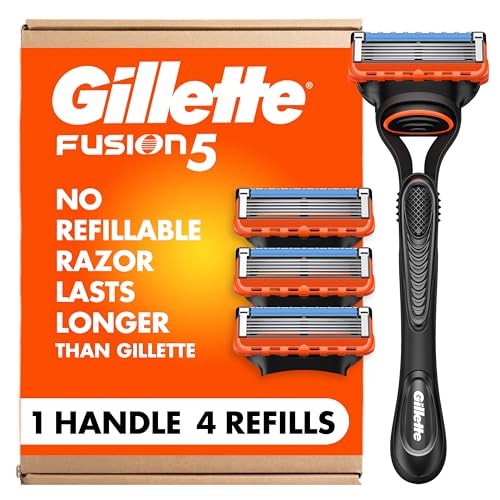
Razor choice is crucial. Multi-blade razors (like Gillette Fusion or Mach3) give a close shave quickly but can irritate sensitive skin if used aggressively. Safety razors (straight or double-edge) are a low-cost, low-irritation option that gives you more control—perfect if you're comfortable with technique. Electric shavers are great for quick touch-ups but rarely give a barber-like close shave unless you invest in a high-end model.
If you’re new to shaving, start with a good multi-blade. If you want better control and less irritation in the long run, switching to a safety razor makes sense. But whatever you pick, always ensure your blades are sharp—dull blades tug hair and cause razor burn.
The right cream or gel protects your skin and allows the razor to glide smoothly. Look for products that match your skin type—hydrating creams for dry skin, light gels for sensitive skin, or even water-based creams for oily complexions. Avoid overly foamy products that contain drying alcohols or synthetic fragrances—they can cause more irritation.
A quality shaving cream or gel should create a slick barrier between your blade and skin, reducing tugging and irritation. Sometimes, sticking to a simple, no-frills brand gets the job done just as well as the expensive artisanal options. Experiment until you find one that feels good and doesn’t clog your razor.
Even the best razor won’t save you if your technique is off. Shave with the grain—meaning, follow the direction your hair grows—at least on your first pass. Rushing or pressing too hard causes irritation, razor bumps, and cuts. Use short, gentle strokes, and don’t go over the same spot multiple times unless you want more irritation.
For a closer shave, re-lather and shave against the grain carefully, but only if your skin tolerates it. Always keep your blades clean—rinsing after every few strokes prevents clogging and ensures a smooth shave.
Once you’re done, rinse your face with cold water to close the pores. Pat dry with a clean towel—don't rub. Apply an alcohol-free after-shave balm or moisturizer to soothe and hydrate your skin. This step prevents irritation and razor burn and keeps your skin looking fresh.
If you’re prone to ingrown hairs, consider a chemical exfoliant or a targeted product with salicylic acid or glycolic acid to keep hair follicles clear. Use these a few times a week, not daily, to avoid over-drying.
Razor burn, bumps, ingrowns—if you’re facing these, look at your technique and products first. Dull blades, shaving dry, or rushing through the shave are common culprits. If irritation persists, switch to a gentler razor, use more lubrication, or change your after-shave routine.
If ingrown hairs are a chronic issue, consider trimming your beard instead of shaving daily, or switch to a single-blade razor and shave less frequently. Consistency and patience are key—your skin needs time to adjust.
It’s best to dedicate separate razors or blades if you’re shaving your head and face. The scalp’s thicker hair and different skin sensitivity often require a different approach.
Every 5-7 shaves for safety razors. For cartridge razors, switch out cartridges as soon as you notice pulling or dullness—usually after 3-5 uses.
No. Shaving dry increases irritation and cuts. Always use a lubricant—cream, gel, or foam—and take your time, especially around sensitive areas.
Electrics are quick and low-irritation but often don’t give a super-close shave. Manual razors with quality blades are usually better for a clean, polished look, but take a bit more prep and technique.
If your hair is coarse and visible, daily shaving keeps you looking sharp. For finer or slow-growing hair, every other day or a few times a week might suffice. Less is often more to prevent irritation.
Shaving doesn’t have to be complicated or a pain. The key is knowing your skin and hair, choosing the right tools, and developing a simple, repeatable technique. Stick with it, don’t rush, and your face will thank you.
Next step: pick a good razor to match your style and skin type, learn the proper technique, and keep your routine consistent. The results will show—more confidence, sharper looks, and less time wasted.
As an Amazon Associate we earn from qualifying purchases at no extra cost to you.
