

How To Choose Skincare For Men For Travel
When selecting skincare for travel, consider the impact of low cabin humidity on skin health. For effective maintenance, prioritize heavy moisturizers and occlusive layers to create a moisture barrier. It is recommended to avoid drying products like retinoids or strong acids during flights to prevent irritation. For travel-specific needs, decanting products into 1-3 oz TSA-approved containers can help. Maintaining hydration through frequent use of hydrating sprays and lip balms is also a practical approach.
Quick Answer
When selecting skincare for travel, focus on products that combat low cabin humidity. For preparation, choosing rich moisturizers or hydrating masks can help. During flights, selecting hydrating sprays, lip balms, and occlusive layers like petroleum jelly may help maintain moisture. It is recommended to avoid strong acids or retinoids during travel to prevent dehydration. For convenience, decanting products into 1-3 oz TSA-approved containers is a practical way to manage travel-sized essentials.
Table of Contents
Our Top Picks
Affiliate disclosure: if you buy through these links, we may earn a commission at no extra cost to you.

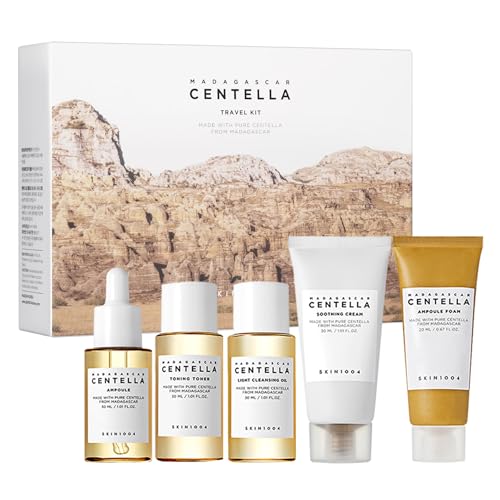

Essential Travel Skincare Basics
When preparing for travel, selecting the right skincare essentials involves focusing on fundamental products that address basic needs. A gentle cleanser is a primary recommendation, specifically one designed to remove makeup and sunscreen without causing skin tightness. For treatments, it may be beneficial to pack a single familiar serum or hydrating treatment that the skin is already accustomed to, rather than introducing multiple new active ingredients. Moisturizer selection should consider adjusting the texture to suit both personal skin needs and the humidity levels of the destination. Sun protection is another vital component, so packing enough broad-spectrum sunscreen for the duration of the trip is advised, with regular reapplication during outdoor exposure. Additionally, a plain, comfortable lip balm can be useful for managing dryness in various climates or during flights. Beyond these basics, travelers should include any necessary prescription medications or products directed by a healthcare provider. This selection process prioritizes reliable, functional items that maintain skin comfort while traveling. By focusing on these core elements—cleansing, hydration, targeted treatment, sun protection, and lip care—you can establish a functional routine that addresses the essential requirements of skin health while away from home.
Managing Skincare During Flights
Managing skincare during flights involves specific protocols to combat low cabin humidity and increased UV exposure. Before boarding, it is recommended to apply a heavy moisturizer and lip balm. If you have a window seat, applying SPF is suggested due to higher altitude UV intensity. Ideally, makeup should be removed before takeoff using gentle wipes or micellar water to prevent skin issues. During the flight, maintaining hydration is a primary focus. Applying a hydrating spray every two to three hours and using lip balm every hour can help manage dryness. For flights lasting longer than six hours, applying an extra occlusive layer around the eye area before sleeping may be beneficial. It is advised to avoid reapplication of makeup mid-flight and to refrain from touching the face to prevent bacterial transfer. To combat dehydration, drinking water is important, while excessive alcohol consumption should be avoided. For those on long-haul journeys, maintaining a consistent routine with hydrating sprays and lip balm helps manage the effects of pressurized air. Upon landing, a double-cleanse followed by a hydrating serum and moisturizer can assist in recovery. These steps aim to mitigate the effects of low humidity and dehydration caused by flight conditions.
Packing and TSA Compliance
When preparing carry-on luggage for flights within the United States, travelers should adhere to the TSA 3-1-1 rule. This regulation generally requires that liquids, gels, creams, and pastes be contained in bottles of 3.4 ounces or 100 milliliters or less. All such items should fit within a single quart-size bag. Sunscreen is typically screened under these same liquid restrictions unless a product is declared as a medically necessary liquid for separate screening. Because regulations can change, it is advisable to verify current rules and destination requirements before departing. For organized packing, keep products in secure, clearly labeled containers. If you choose to decant products into travel containers, ensure the containers are clean and compatible with the contents, and clearly note the product name. While basic cleansers and moisturizers can often be transferred, some active ingredients may be sensitive to light, air, or contamination. For these specific products, it may be better to leave them in their original packaging to maintain integrity. Always ensure everything is labeled to avoid confusion during screening. Following these principles helps manage skincare while remaining compliant with standard airport security protocols.
Adapting to Different Climates and Destinations
When traveling to hot and humid environments, selecting lighter layers for skincare may be beneficial. It is recommended to cleanse sweat without scrubbing and to reapply sunscreen regularly. While oily skin types still require hydration, a gel cream might feel more comfortable than a heavy balm in these conditions. For cold or dry destinations, using lukewarm water instead of hot water is suggested. It may be helpful to reduce unnecessary exfoliation and apply a richer moisturizer to dry areas. Applying moisturizer soon after cleansing is a recommended practice for these climates. In areas with high altitude and strong sun, UV exposure can be substantial. It is recommended to combine the use of sunscreen with physical protection such as shade, clothing, hats, and sunglasses. Users should be aware that snow and water can reflect UV radiation. These principles help in adjusting skincare approaches based on the specific environmental conditions of a destination. By choosing appropriate textures and adjusting washing habits, individuals can better manage their skin when moving between different climates. Maintaining these distinctions between humid, dry, and high-altitude environments allows for more effective skincare management while traveling to various global locations.
Post-Flight Recovery and Skin Health
Effective post-flight recovery involves specific steps to address skin changes caused by travel. On the day of landing, it is recommended to perform a double-cleanse using both oil and water-based cleansers. Following this, applying a hydrating serum and a moisturizer that is heavier than usual may help. An optional hydrating mask can also be used. Prioritizing early sleep on the landing day is suggested. The following morning, a gentle cleanse should be performed, followed by the application of vitamin C and sunscreen before returning to a normal routine. For those who have completed long-haul flights, taking a short hot shower and applying a deep-conditioning mask may be beneficial. Skin health is often impacted by jet lag, as sleep disruption can affect hormone regulation, stress hormones, and collagen repair. These factors can lead to acne flares or dehydration. To combat these issues, one might consider taking melatonin 1–2 hours before a new bedtime for three to five days, seeking morning sunlight upon arrival, maintaining hydration, and using a simple routine during the adjustment period. Typically, skin recovers within 24–48 hours with proper care, though resolving jet lag and its effects on skin quality may take three to five days.
Frequently Asked Questions
What skincare products should I pack?
A reliable travel routine might include a gentle cleanser, one familiar serum or treatment, moisturizer, and broad-spectrum sunscreen. Including a lip balm is also useful. You may also need to pack prescription products or items directed by a provider. For most trips, using products your skin already tolerates is recommended over trying several new actives.
What is the TSA limit for skincare?
For carry-on luggage in the United States, the TSA 3-1-1 rule generally limits liquids, gels, creams, and pastes to containers of 3.4 ounces or 100 milliliters or less. These items should be placed in one quart-size bag. It is recommended to check current rules and destination requirements before departure.
Does sunscreen count as a liquid?
Yes, sunscreen counts as a liquid. Under the TSA 3-1-1 rule for United States carry-on luggage, sunscreen is screened alongside other liquids, gels, creams, and pastes. While it falls under these general regulations, products that qualify as medically necessary liquids may undergo a separate declaration and screening process.
Is it safe to decant skincare?
Basic cleansers and moisturizers can often be placed in clean, compatible travel containers. However, it is better to leave products that are sensitive to light, air, or contamination in their original packaging. If you choose to decant, use clean containers and ensure everything is clearly labeled.
Why does my skin feel dry on a plane?
Low humidity in cabin air can cause skin to feel tight because water evaporates from the skin more readily. To manage this, you might apply a familiar hydrating layer and moisturizer before a flight. Avoiding repeated cleansing and strong exfoliation may also help prevent dryness during travel.
To prepare for travel, consider decanting products into 1-3 oz TSA-approved containers. For men selecting travel-specific minis, choosing travel-sized versions of items like moisturizer, SPF sticks, or hydrating serums can help manage space. Using a dedicated travel bag for these items may also save setup time during repeat flights.


