

How To Choose Beard Care For Easy Maintenance
The best beard-care routine is the one you can repeat before work, after the gym, or while packing for a trip. You do not need a bathroom shelf full of products. You need the right cleanser, one conditioning product that matches your beard, and enough trimming discipline to keep the shape under control.
Quick Answer
Choose beard care based on your beard length, skin type, and the result you want. Start with a dedicated beard wash or sulfate-free cleanser used about two to three times per week for most beards, rinse with warm water, and moisturize the skin underneath. Use beard oil for quick absorption, softer hair, and skin conditioning; use balm when a longer beard also needs light hold and shape control.
Table of Contents
- Quick Answer
- Our Top Picks
- Start With Your Beard and Skin, Not the Product Shelf
- Wash Without Drying Out Your Beard
- Choose Oil or Balm Based on the Result
- Use Trimming and Clean Tools to Do the Heavy Lifting
- Build a Routine That Works at Work, the Gym, and on the Road
- Frequently Asked Questions
- Sources & References
Our Top Picks
Affiliate disclosure: if you buy through these links, we may earn a commission at no extra cost to you.

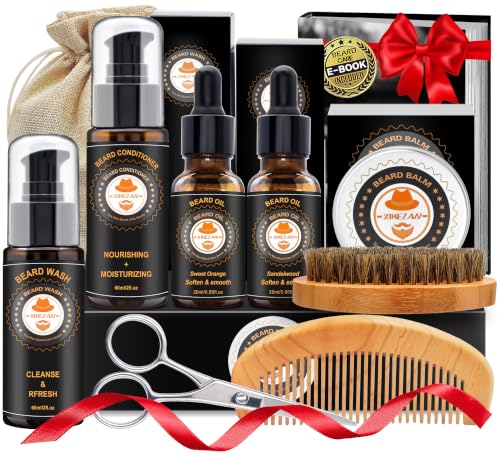
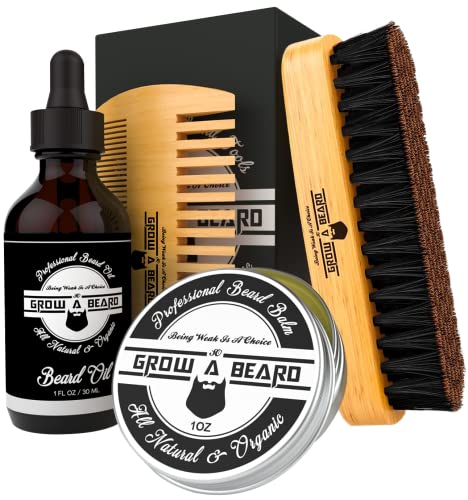
Start With Your Beard and Skin, Not the Product Shelf
Beard length changes what you need. Short stubble usually needs more attention to the skin and neckline than to the hair itself. A medium beard needs regular washing, conditioning, and trimming. A longer beard needs the same basics plus some control so the hair does not puff out or lose its shape.
Your skin matters just as much as the beard. If your face feels tight after washing, your routine may be too harsh or too frequent. If the beard feels greasy by midday, you may be using too much product or not rinsing thoroughly. Flakes, itching, and irritation are signs to look at the skin underneath instead of simply adding another oil or balm.
I use a simple three-step check: wash the beard, condition the skin, and condition the beard hair. For most men, that means one beard wash or sulfate-free cleanser, a basic moisturizer for the face, one beard-conditioning product, and a clean trimmer or comb. A reasonably priced tool used correctly will beat an expensive product applied with bad form.
Wash Without Drying Out Your Beard
For most beard lengths, washing two to three times per week with a dedicated beard wash or sulfate-free cleanser is a practical starting point. Adjust from there based on sweat, oil, dirt, and how your skin reacts. Washing too often can strip away natural oils, while washing too rarely allows sweat, dirt, and dead skin to build up beneath the hair.
Use your fingertips to work the cleanser through the beard and down to the skin. Do not just scrub the outside of the hair and assume the skin is clean. Rinse thoroughly, especially under the chin and along the neckline. Product left behind can contribute to an itchy, heavy-feeling beard.
Keep the water warm rather than hot. Hot water can remove moisture from both the skin and beard hair, which is a bad trade when your goal is a low-maintenance beard. After a sweaty workout, a warm-water rinse can remove surface sweat, but use cleanser when your normal wash schedule or the amount of grime calls for it rather than automatically washing aggressively every time.
Choose Oil or Balm Based on the Result
Beard oil is the simpler choice when you want quick absorption, softer hair, and moisture for the skin underneath. Apply a small amount to clean, towel-dried facial hair. Work it into the skin first, then spread the remaining product through the beard and mustache. Start with less than you think you need; you can add more, but an oily beard usually cannot be fixed by combing harder.
When comparing beard oils, pay attention to the two main ingredient categories used in skin conditioning: carrier oils and essential oils. The carrier oils form the conditioning base, while essential oils are concentrated ingredients that can affect scent and how your skin tolerates the product. If your skin is easily irritated, a lightly scented or unscented formula is usually easier to live with than a heavily fragranced one.
Beard balm makes more sense when your beard is long enough to need light hold and shape control in addition to hydration. Warm a small amount between your fingers, then press and smooth it through the hair. Balm is useful for taming flyaways before a date or job interview, but it should not be treated as a substitute for a proper trim.
Use Trimming and Clean Tools to Do the Heavy Lifting
Regular trimming keeps a beard easy to maintain because it prevents small problems from becoming a full reshaping job. Keep the neckline deliberate, clean up the mustache when it starts covering the lip, and remove obvious stray hairs before they change the overall outline. You do not need to redesign the beard every time. Consistent minor cleanup is faster and usually looks better.
Trim with clean tools. Wash or brush out combs, guards, and other reusable tools, and keep the blades free of buildup. A dirty tool can move oil, sweat, and product back onto the skin. Good tools do not need to be luxury purchases, but they do need to be maintained and used with a steady hand.
Technique matters more than the label on your bottle. Do not try to correct a weak neckline with extra balm, and do not use oil to hide uneven length. For an interview or date night, make small adjustments: clean the neckline, even out the most noticeable strays, tidy the mustache, and apply only enough conditioning product to keep the hair comfortable and controlled.
Build a Routine That Works at Work, the Gym, and on the Road
A good morning routine should take minutes, not become a second shower. Wash on your scheduled days, moisturize the skin, and use a small amount of oil or balm only where the beard needs it. Before work, the goal is clean skin and controlled edges. You should not be able to smell your beard product from across the room, especially if you are also wearing cologne.
Your gym bag only needs the basics: a small cleanser or rinse plan, a compact comb, and the conditioning product you already know your skin tolerates. If sweat tends to trigger itching or buildup, pay attention to what happens after training instead of automatically adding stronger products. Dandruff, beard rash, and ingrown hairs are maintenance problems worth addressing early because they become harder to ignore when the beard gets longer.
For travel, use small containers that meet current TSA liquid limits and avoid carrying a full-size bottle when a few days' supply will do. Before a flight, clean the trimmer and pack the guard you actually use rather than the entire kit. On date night or before an interview, trim earlier if possible, then do a quick rinse and light conditioning pass so you are not trying to fix redness, uneven edges, and excess product at the last minute.
Frequently Asked Questions
How often should I wash my beard?
Washing two to three times per week with a dedicated beard wash or sulfate-free cleanser works as a starting point for most beard lengths. Adjust for sweat, dirt, oil, and skin comfort. Wash more carefully when buildup is a problem, but avoid scrubbing harshly every day if your skin becomes dry or tight.
Should I use beard oil or beard balm?
Use beard oil when you want quick absorption, softer hair, and moisture for the skin underneath. Choose balm when a longer beard also needs hydration plus light hold and shape control. Neither product replaces regular trimming or proper cleansing.
Can I use a regular cleanser on my beard?
A dedicated beard wash is a straightforward option, but a sulfate-free cleanser can also work for many men. The important test is how your skin and beard feel afterward. If the cleanser leaves your face tight, itchy, or stripped, it is not a good fit for a low-maintenance routine.
Why does my beard have flakes?
Flakes can be related to buildup from sweat, dirt, and dead skin, or to dry and irritated skin. Review both washing frequency and how well you rinse. Use warm rather than hot water, moisturize the underlying skin, and avoid piling on more product until you know what is causing the problem.
How can I reduce ingrown hairs around my beard?
Keep your tools clean, maintain the neckline instead of repeatedly scraping at it, and avoid aggressive trimming passes over irritated skin. Regular maintenance is usually easier on the skin than letting the edges grow out and then forcing a close cleanup. Painful or persistent problems deserve professional advice.
Do I need separate products for my beard and skin?
You need to care for both, but you do not need a large collection of products. A suitable cleanser, a moisturizer for the skin, and either beard oil or balm can cover the basics. Choose the conditioning product based on whether your priority is softness and skin comfort or added hold and shape.
Choose beard care by matching the routine to your beard length, skin needs, and the amount of control you want. Start with a dedicated wash or sulfate-free cleanser, use warm water, moisturize the skin underneath, and pick oil or balm for the result you actually need. Your next step is simple: follow that routine for one week, keep the product amounts small, and make your next trim about maintaining the shape rather than starting over.


