

Best Vitamin C Serums For Men
🏆 Top Picks at a Glance
 #1
#1
Best Overall
Brickell Men's Anti Aging Vitamin C Serum For Face, Repairing Night Facial Serum for Men, Natural and Organic Hyaluronic Acid Serum For Face to Diminish Wrinkles and Reduce Redness, 1 Ounce, Unscented
$63.75
Check Price →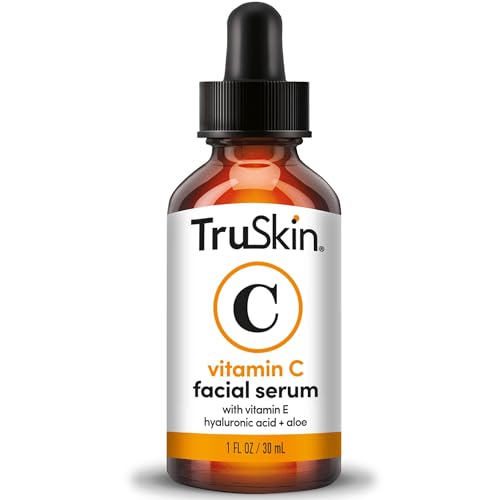 #2
#2
Runner Up
TruSkin Vitamin C Serum for Face – Anti Aging Face Serum with Hyaluronic Acid & Vitamin E – Brightening Formula for Improving Appearance of Dark Spots, Fine Lines & Wrinkles – All Skin Types, 1 fl oz
$21.99
Check Price →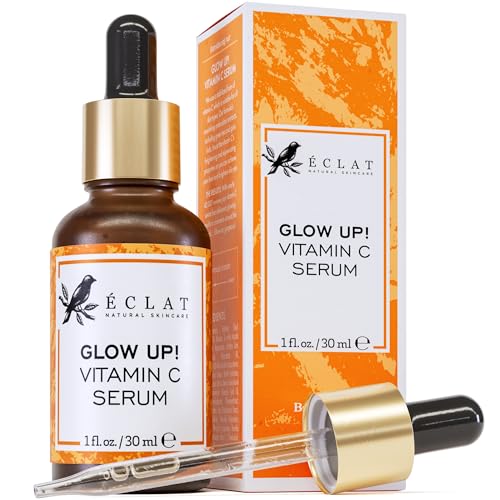 #3
#3
Best Value
Eclat Skincare Vitamin C Serum - Skin Care for Dark Spots, Vitamin C Serum for Face with Hyaluronic Acid, Ferulic Acid, & Vit E - Anti Aging and Skin Brightening Vit C Formula for Face Care 1 Fl Oz
$18.99
Check Price →Our Top Picks
Affiliate disclosure: if you buy through these links, we may earn a commission at no extra cost to you.
Factors to Consider
Vitamin C Concentration Matters More Than You Think
⚡ Quick Answer
Most vitamin C serums range from 10% to 20% concentration, but here's the reality: anything below 10% won't give you visible results, and anything above 20% doesn't work better—it just irritates your skin. Look for serums in the 15-20% range if you have resilient skin, or 10-15% if you're new to vitamin C or have sensitive skin. Stability matters too; vitamin C oxidizes fast, so check the bottle color (amber or opaque is better) and ingredient list position—it should be near the top, not buried.
Table of Contents
L-Ascorbic Acid vs. Stabilized Forms: Pick Your Fighter
L-ascorbic acid is the gold standard—it's what dermatologists recommend and what the research backs—but it's unstable and requires dark storage and a short shelf life. If you travel frequently or don't want to babysit a bottle, go for stabilized forms like ascorbyl palmitate or magnesium ascorbyl phosphate; they're gentler, more shelf-stable, but slightly less potent. For most guys with normal skin, a good stabilized form will deliver results without the fussiness of pure L-ascorbic acid.
pH Level Determines Whether Your Skin Will Actually Accept It
Vitamin C only penetrates and works at a pH below 3.5; above that, it sits on your skin doing nothing. You won't see the pH printed on most product pages, so check the ingredient list or contact the brand directly—this takes 30 seconds and saves you from wasting money on a dud. If the formula includes other actives like hyaluronic acid or niacinamide (which prefer higher pH), the brand has already compromised the vitamin C's effectiveness, so factor that into your decision.
The Packaging-to-Price Trap
A 1 oz bottle of quality vitamin C serum costs $40-80, and yes, it matters that it comes in dark glass with minimal air exposure. That said, don't pay premium prices just for hype or minimalist branding; a $35 serum in proper opaque packaging outperforms a $70 trendy one in a clear bottle every time. Figure out the cost-per-ounce and remember that vitamin C serums typically last 2-3 months with daily use, so the actual monthly cost is more reasonable than the upfront price suggests.
Layering Compatibility: Don't Waste Money on a Serum That Fights Your Other Products
Vitamin C works best on clean, damp skin applied before heavier moisturizers, but it doesn't play well with niacinamide in the same product (they neutralize each other). If you're already using a niacinamide-based moisturizer or face wash, choose a standalone vitamin C serum and apply it first, then wait 2-3 minutes before adding other products. Check the full ingredient list to avoid doubling up on active ingredients that'll reduce results or trigger irritation.
Frequently Asked Questions
Does Vitamin C Serum Actually Work, or Is It Marketing Hype?
It works, but only if you get the formulation right. Clinical studies show that properly formulated vitamin C serums improve skin brightness, reduce fine lines, and protect against UV damage—but most drugstore options are poorly formulated and oxidized before you open the bottle. Buy from a reputable brand with transparent ingredients and proper packaging, use it consistently for 4-6 weeks, and you'll see real results; skip those requirements and yeah, it's hype.
Can I Use Vitamin C Serum Every Day?
Yes, most guys can use it daily without issue, but if you have sensitive skin or you're new to actives, start with 3-4 times per week and work up. Apply once daily (morning is best since it boosts sun protection) on clean, slightly damp skin, then follow with moisturizer. If you notice redness or stinging that doesn't fade within 10 minutes, dial back frequency or switch to a lower concentration.
Will Vitamin C Serum Make Me Look Less Tired?
It can, yes—vitamin C brightens skin and reduces dullness, which makes fatigue less obvious. You'll notice the improvement most in photos and under bright office lighting; in person, it's subtle but real after 4-6 weeks of consistent use. That said, it's not a substitute for sleep and hydration; if you're running on 5 hours and dehydrated, serum won't hide that.
Is Vitamin C Serum Safe With Shaving or Beard Care?
Use it after shaving, not before—applying it to freshly shaved skin can sting, especially if you have razor burn or irritation. For beard guys, it works fine applied to the skin underneath; just wait 5-10 minutes after cleansing before applying so the skin barrier has settled. If you're using it as part of a shave routine, apply it as the second step after a moisturizing aftershave balm, not as the first step.
How Long Does a Bottle Actually Last?
A 1 oz bottle typically lasts 2-3 months with daily use, since a pea-sized amount is all you need per application. If you're paying $60 for a bottle, that's roughly $20-30 per month, which is reasonable for a clinical-grade skincare active. Don't overthink the bottle size—consistency matters more than grabbing the biggest size available.
Can I Travel With Vitamin C Serum on a Plane?
Yes, as long as it's 3.4 oz or smaller, which most vitamin C serums are. Keep it in your carry-on (it's a liquid), and consider decanting a small amount into a 1 oz travel bottle if you're picky about oxidation or want to avoid checking luggage. TSA treats it like any other liquid serum, so no special rules apply.
What's the Best Time to Apply It in My Morning Routine?
Apply it right after cleansing and before moisturizer: cleanser → vitamin C serum (wait 1-2 minutes) → moisturizer → sunscreen. This timing lets the serum penetrate fully without being diluted by a wet face, and the moisturizer and sunscreen lock it in. If you're in a rush, the whole sequence takes 5 minutes and fits easily into any morning routine.
Conclusion
Vitamin C serum is worth the investment if you buy smart—focus on concentration, pH, and packaging over brand name, and you'll see real improvements in skin brightness and texture within a month. Pick a formula that fits your lifestyle (stabilized versions for travel and lazy mornings, pure L-ascorbic acid if you're detail-oriented), apply it consistently in the right sequence, and pair it with sunscreen to maximize results.
The best vitamin C serum for you is one you'll actually use every day, so don't overspend on something that requires a complicated ritual or costs so much you're afraid to apply it generously enough to work.


