

Best Premium Electric Shavers For Men
🏆 Top Picks at a Glance
 #1
#1
Best Overall
Panasonic Electric Razor for Men, Electric Shaver for Men, ARC5 with Premium Automatic Cleaning and Charging Station, Wet Dry Shaver, Cordless Razor, with Pop-Up Trimmer ES-LV97-K, Black
$237.42
Check Price →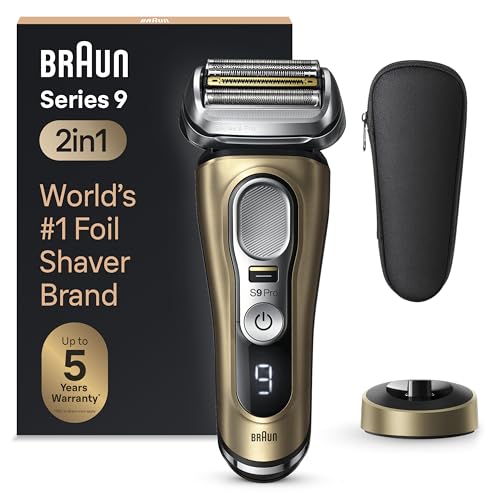 #2
#2
Runner Up
Braun Series 9 Pro 9419s Electric Shaver for Men, Wet & Dry Razor, Shaving Kit with 4+1 Head with ProLift Trimmer
$339.99
Check Price → #3
#3
Best Value
Philips Norelco Shaver 2400 Series, Wet and Dry Electric Shaver, Pop-up Trimmer, P-Cap, Deep Black, Model X3001/90
$39.96
Check Price →Our Top Picks
Affiliate disclosure: if you buy through these links, we may earn a commission at no extra cost to you.
Factors to Consider
Rotary vs. Foil: Which One Actually Works Better
⚡ Quick Answer
Rotary shavers (three rotating heads) handle longer stubble and work better if you don't shave daily, while foil shavers (oscillating blades behind a thin screen) give you a closer shave and are better for sensitive skin. The difference matters because rotary shavers are forgiving if your technique is sloppy, but foil shavers reward proper angle and pressure—get it right, and you'll get a closer result. Most guys switching from manual razors find foil shavers feel more familiar since you move them the same directions you'd drag a regular razor. If you're shaving daily or every other day, foil wins; if you're going 3+ days between shaves, rotary handles the job with less frustration.
Table of Contents
Wet Shave vs. Dry: Where the Trade-off Really Is
Wet-compatible shavers let you use shaving cream or gel, which reduces irritation and gives you better glide, but they're bulkier and more expensive—dry-only shavers are smaller and faster for a quick morning pass. The real situation: wet shaving takes 5 extra minutes but leaves your face feeling significantly less raw if you have sensitive skin or prone-to-ingrown-hair situations. Dry shaving wins on convenience for guys who travel constantly or need a zero-friction morning routine, but it's harsher on your face. Be honest about your skin—if you get razor burn or ingrown hairs now, wet-compatible isn't optional; it's preventative maintenance.
Battery Life and Charging Speed Matter More Than You Think
A shaver claiming 50 minutes of runtime is useless if you forget to charge it; look for models with quick-charge options (5-10 minutes for one shave) or battery indicators so you actually know when it's dying. Most premium shavers run 45-60 minutes between full charges, which is plenty—the problem is nobody charges them right after use, so you're stuck with a dead razor when you need it. Shavers with LED battery displays or automatic cleaning/charging docks get used more consistently because you don't have to think about it. If you travel for work, fast-charging capability isn't a luxury—it's the difference between looking sharp and showing up unshaven.
Blade Quality and Replacement Cost: The Hidden Expense
Premium shavers have better blade steel and closer cutting heads, but they also cost $40-80 to replace every 1-2 years depending on how often you shave and how hard you press down. Cheaper shavers might seem like a deal until you're replacing blades every eight months because they dulled fast; mid-range and premium models last longer and cut cleaner over their lifespan. Check the replacement cost before you buy—some brands are cheap shavers with expensive parts, while others balance both reasonably. Pro tip: don't press hard. Light pressure with proper technique lasts longer and irritates your skin less; that's where most guys waste blade life.
Noise Level Isn't Trivial If You Live with People
Rotary shavers are significantly quieter than foil shavers because the mechanism is different; if you're shaving before 6 AM and share a bathroom, noise matters for household peace. Most quality shavers run between 60-70 decibels, which sounds quiet in reviews but can echo off bathroom tiles and wake a light sleeper in the next room over. Budget models tend to whine higher, while premium shavers have better dampening and lower frequencies that are less jarring. If you're shaving during normal waking hours with nobody else around, ignore this—if you're doing morning bathroom runs while others sleep, test the actual noise or stick with rotary.
Frequently Asked Questions
How often should I replace the blades or head on an electric shaver?
Most manufacturers recommend replacing heads every 12-18 months for daily users, but if you notice the shave getting less close or irritating your skin more, that's your real signal—don't wait for a calendar reminder. Hard water, pressing too hard, and shaving thick stubble every day accelerates wear; if you shave every other day with light pressure, you might get 20+ months. Keep track of when you start and buy replacements before you're stuck with a dull shaver.
Can you use an electric shaver wet, or does it have to be dry?
Only if it's specifically labeled as wet/dry compatible—using a dry-only shaver in the shower will destroy it immediately. If your shaver is wet-compatible, you can use it in the shower with cream or gel, which most guys find more comfortable, but you can also use it dry whenever you want. Check the manual or product description before your first shower shave to avoid a $300+ mistake.
Do electric shavers actually give you as close a shave as a manual razor?
A quality foil shaver gets you 90-95% as close as a multi-blade razor if technique is right, while rotary shavers sit around 80-85% depending on your beard type. Manual razors technically go closer because the blade touches skin more directly, but the trade-off is more irritation, ingrown hairs, and daily maintenance—most guys find the electric shaver's consistency and convenience worth the slight difference. If you absolutely need a baby-smooth shave for an event, a manual razor gets you there, but for everyday life, a good electric shaver is close enough and faster.
What's the difference between a $100 shaver and a $500 shaver?
Build quality, blade sharpness, battery longevity, and refinement of the cutting mechanism—$500 shavers rarely shave twice as close, but they shave closer, last longer between charges, and irritate your skin less with consistent technique. A solid $150-250 electric shaver handles 95% of what a premium model does; the extra $250+ gets you faster charging, quieter operation, fancier materials, and warranty support. Unless money isn't a factor, the mid-range is where value actually lives for most guys.
How do I prevent ingrown hairs and razor burn with an electric shaver?
Use light pressure—let the shaver do the work—and go with the grain or at a 45-degree angle, not against it; pressing hard doesn't get you closer, it just irritates your skin and damages blades faster. A pre-shave oil or shaving cream (if wet-compatible) reduces friction and irritation significantly, and exfoliating 2-3 times a week keeps dead skin from trapping hairs. If you already have a problem with ingrown hairs, switch to a foil shaver and wet-compatible option because it's gentler than rotary's pulling action.
Is a beard trimmer the same as an electric shaver?
No—beard trimmers are designed to cut longer hair (1/8 inch and up) and maintain stubble, while electric shavers cut everything down to near-skin level. You might want both if you're growing a beard and want to keep the edges clean, but for daily clean-shaven looks, an electric shaver is what you need. If you're doing the stubble look (2-3 days of growth), a trimmer is actually the better tool.
Can you take an electric shaver through TSA security?
Foil and rotary shavers are allowed in carry-on and checked luggage, but anything with a lithium battery over 100 watt-hours (most shavers are fine) needs to be in carry-on only, not checked. Blade refills or replacement heads are allowed, but loose blades aren't—keep everything assembled. Before traveling, check your specific model's watt-hour rating on the battery; most premium shavers fall well under the limit, so you'll be fine.
Conclusion
A premium electric shaver is one of the best time investments you'll make in your grooming routine—it cuts your morning shave time in half compared to manual razors and eliminates most of the irritation if you choose the right type for your skin. The difference between a $100 shaver and a $300 shaver is real but incremental; pick foil or rotary based on your shave frequency and skin sensitivity, nail proper technique (light pressure, right angle), and you'll get years of clean shaves without overthinking it. If you're still dragging a manual razor over your face every morning or dealing with constant ingrown hairs, upgrade to a mid-to-premium electric shaver and actually change your routine.


